

Spring check for the common property: the checklist for after the winter
After the winter months, damage to the roof, the façade and the grounds often only shows up on a second look — a structured spring check helps you to spot follow-on damage early, before it becomes expensive.
Why spring is the right moment
Frost, thaw and de-icing salt take more out of buildings and grounds over the winter than any other season does. Small cracks in the façade or the paving, into which water has got during the winter, often widen unnoticed through the constant change between frost and thaw — an early inspection in March or April stops them from turning into bigger and more expensive damage. If you only look in the summer, you have given away half a year in which the damage could develop undisturbed.
The checklist — grounds
- Check paved areas and paths for frost damage, subsidence and loose stones — particularly where clearing and gritting took place over the winter.
- Remove residues of de-icing salt and grit before they damage the planting. Grit should be swept up, not washed into the beds.
- Check lawns and beds for winter damage and plan the first spring care — when to mow, feed and scarify is set out in Planning your lawn care schedule.
- Keep the hedge-cutting deadlines in mind: from 1 March only gentle shaping and maintenance cuts are permitted, while cutting back hard is no longer allowed — the details are in Hedge cutting deadlines: what is legally allowed between March and September.
The checklist — building
- Check gutters and downpipes for leaves, moss and blockages — whatever has been left lying over the winter takes its revenge with the first heavy spring rain.
- Inspect the façade for new cracks, flaking render or damp patches.
- Check the seals on windows and external doors for winter damage.
- Test the exterior lighting and the door entry systems for proper function.
The checklist — safety
- Check handrails, railings and outdoor steps for looseness or corrosion.
- Check signage — escape routes, fire extinguisher signs — for completeness and legibility.
- Check underground car parks and cellars for damp after the thaw period.
Turning the check into a plan
A spring check is most valuable when the results are not merely noted down but prioritised straight away: put right acute safety defects immediately, plan smaller defects into the ongoing care of the property, and put larger repairs to the managing agent or the advisory board in good time for a resolution. That makes the spring check differ from the routine inspection during the year only in its timing, not in principle — how regular checks prevent follow-on damage is set out in Property inspections: why regular checks prevent follow-on damage.
Practical tip
Have the spring check documented with photographs — in the visit report in the customer portal, for instance. That makes it easier both to put a proposal to the owners' meeting later on and to compare with the condition a year earlier.
How Zamsa helps
As part of our grounds maintenance we work through the points above at the start of the season: clearing away grit residues, checking paved areas and paths, inspecting gutters, scheduling the first round of planting care. Whatever we notice goes into the visit report in the customer portal with a photograph — so the managing agent has documented evidence for the next owners' meeting instead of a memory of the spring.
A spring check for your property? We walk the property with you and document its condition.Kontakt aufnehmen →Not legal or tax advice
This article gives a general overview and is no substitute for individual legal or tax advice. Laws, deadlines and responsibilities can change and may differ in an individual case. For a binding assessment of your particular situation, please consult a solicitor or tax adviser, or the relevant authority.
You might also find this useful.
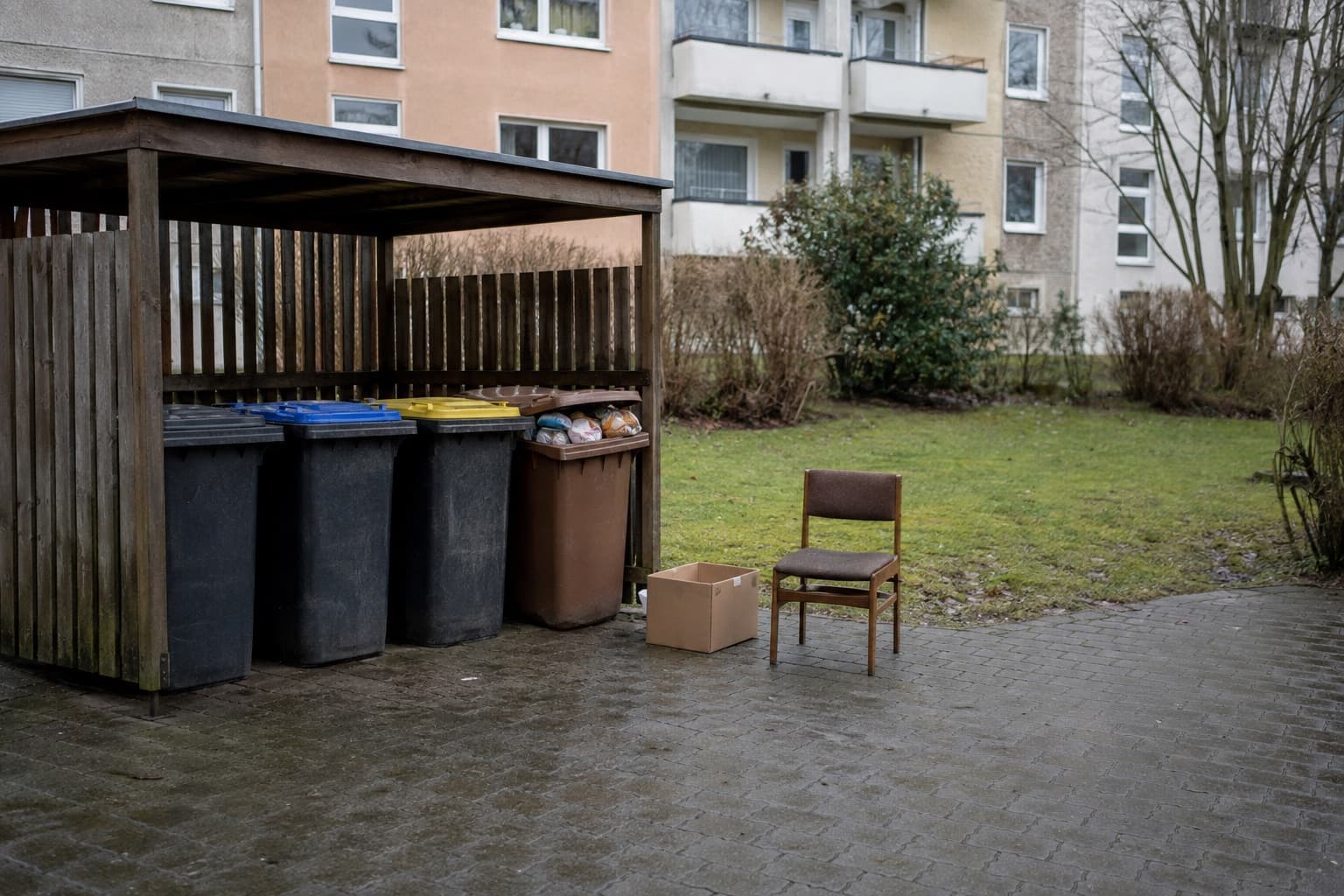
Müll im Mehrfamilienhaus: Was Fehlwürfe wirklich kosten
Read more
Cancellable monthly vs. an annual contract — what is standard for caretaker services?
Read more
Checklist: getting your property ready for winter
Read more
Claiming caretaker service and winter maintenance against tax — what landlords should know
Read more
Changing your caretaker service: an 8-point checklist for a smooth transition
Read more
The WEG reform since 2020: what has changed for commissioning caretaker and cleaning services
Read more
Passing on service charges correctly: what is permitted for caretaker, cleaning and garden maintenance costs
Read more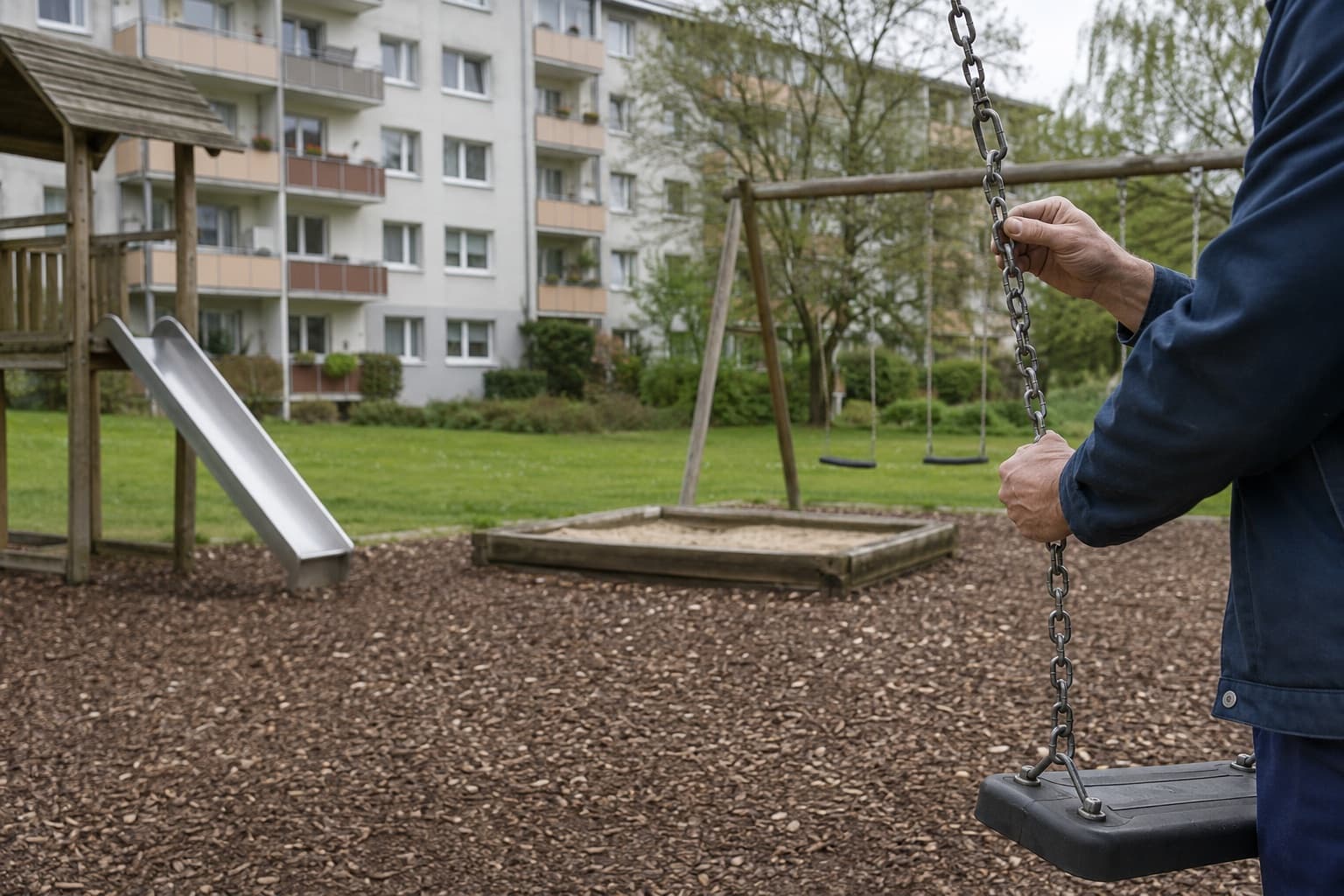
Spielplatzkontrolle in Wohnanlagen: Pflichten, Intervalle, Dokumentation
Read moreLet us talk about your property.
Tell us what you need — we usually reply within one working day with a quote, free and without obligation.
- 1


Send an enquiry
Through the contact form, by phone, WhatsApp or email — whichever suits you best.
- 2


Arrange a visit
We get back to you promptly and, where useful, arrange a visit on site that fits your schedule.
- 3


Receive a free quote
You get a transparent quote with no obligation — no hidden costs, no small print.
- 4


You decide
No pressure and no lengthy commitment: take your time to decide whether it is a good fit.