

Property inspections: why regular checks prevent consequential damage
A dripping downpipe, a loose handrail, a crack in the paving — taken individually, minor matters. If they go undiscovered, they turn into expensive consequential damage over time. Preventing exactly that is the point of a regular property inspection.
What is checked during a property inspection?
- The condition of the roof, downpipes and gutters (leaves, blockages, leaks)
- The grounds: paving lifted by roots, subsidence, trip hazards
- Lighting outdoors and in the stairwell (failed bulbs as an accident risk)
- Handrails, railings and fences checked for stability
- Bin stores and cellar rooms checked for tidiness, pest infestation and damp
Why it pays off financially
A small case of water damage that is discovered as it arises often costs no more than repairing the cause. If it goes unnoticed for months, there is a risk of mould, damage to the building fabric and, in the worst case, a dispute with the building insurer about whether the damage was reported in time. The same applies to trip hazards outdoors: if a known defect is not put right and someone is injured, that can trigger liability of the residents' association under § 823 BGB (the duty to keep the way safe, the Verkehrssicherungspflicht, is not a statutory provision in its own right, but a category of case developed by the courts out of § 823 Abs. 1 BGB).
Practical tip
An inspection is most effective when it does not take place as a separate appointment but is done along the way at every regular visit (cleaning, garden work) — which is exactly what a caretaker service that is on site regularly anyway does automatically.
How often should an inspection take place?
For most blocks of flats, a focused, documented inspection every one to two months is enough, supplemented by a more thorough check before and after the winter. For larger or older properties, a shorter cycle can make sense.
How Zamsa helps
Regular property checks are a fixed part of our caretaker service — they run alongside the visits that are scheduled anyway and need no appointment of their own.
Not legal or tax advice
This article gives a general overview and is no substitute for individual legal or tax advice. Laws, deadlines and responsibilities can change and may differ in an individual case. For a binding assessment of your particular situation, please consult a solicitor or tax adviser, or the relevant authority.
You might also find this useful.
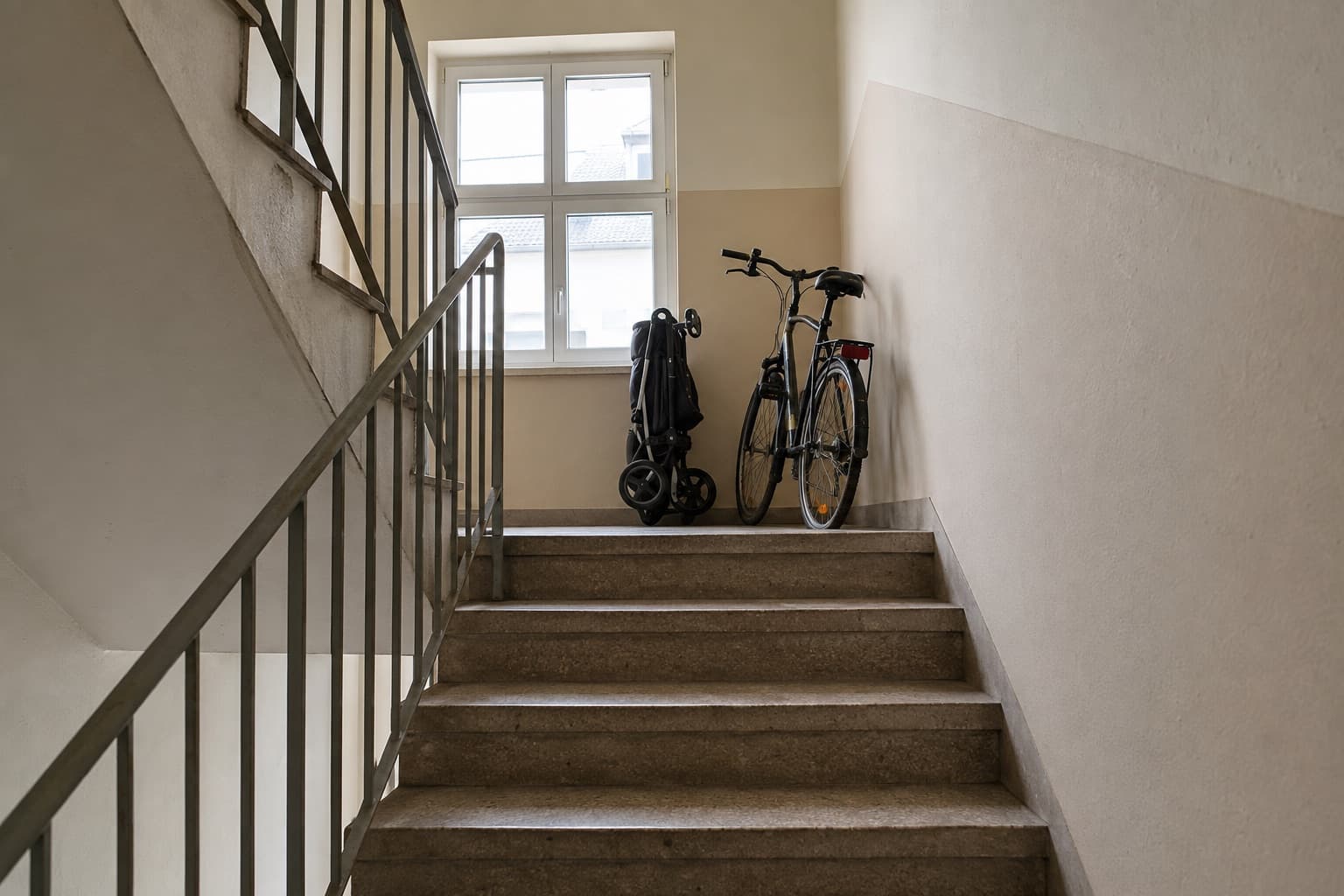
Treppenhaus als Fluchtweg: Was darf dort stehen — und was nicht?
Read more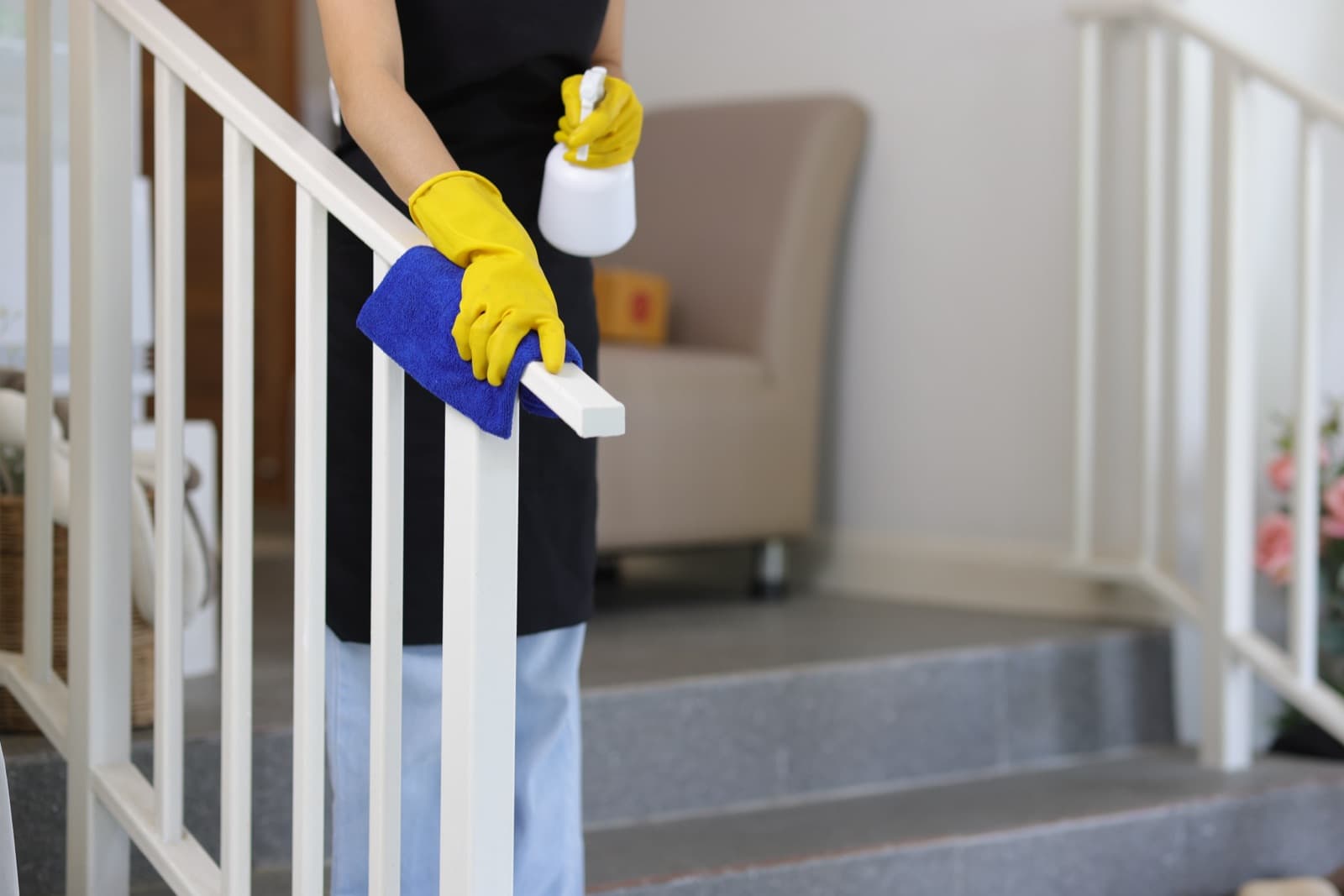
Stairwell cleaning: cycle, checklist, who is responsible?
Read more
Caretaker service vs. individual firms — what makes sense for managing agents?
Read more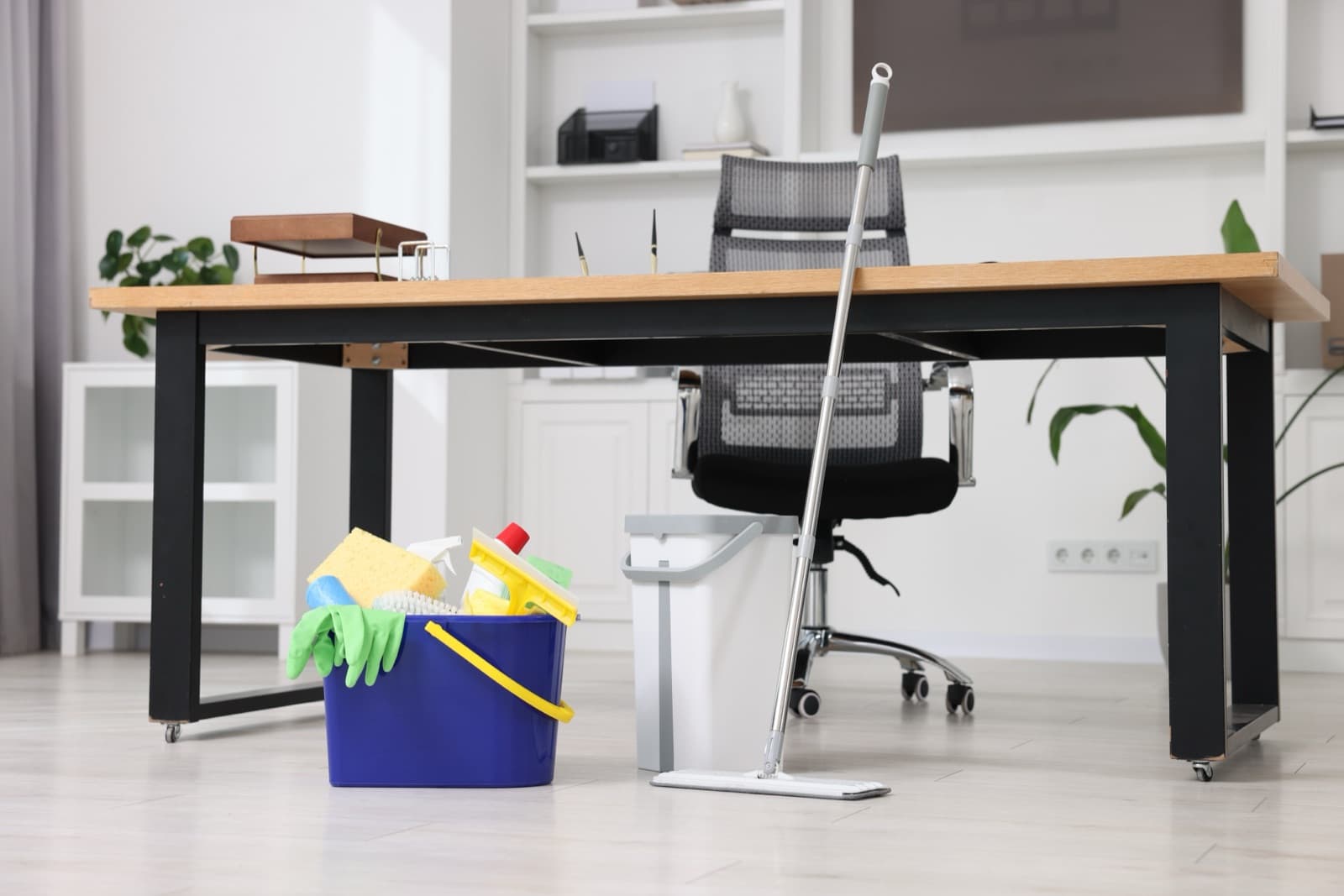
Routine cleaning or deep cleaning? The difference — and how often each is needed
Read more
What may a caretaker do – and what not? Powers and limits in everyday practice
Read more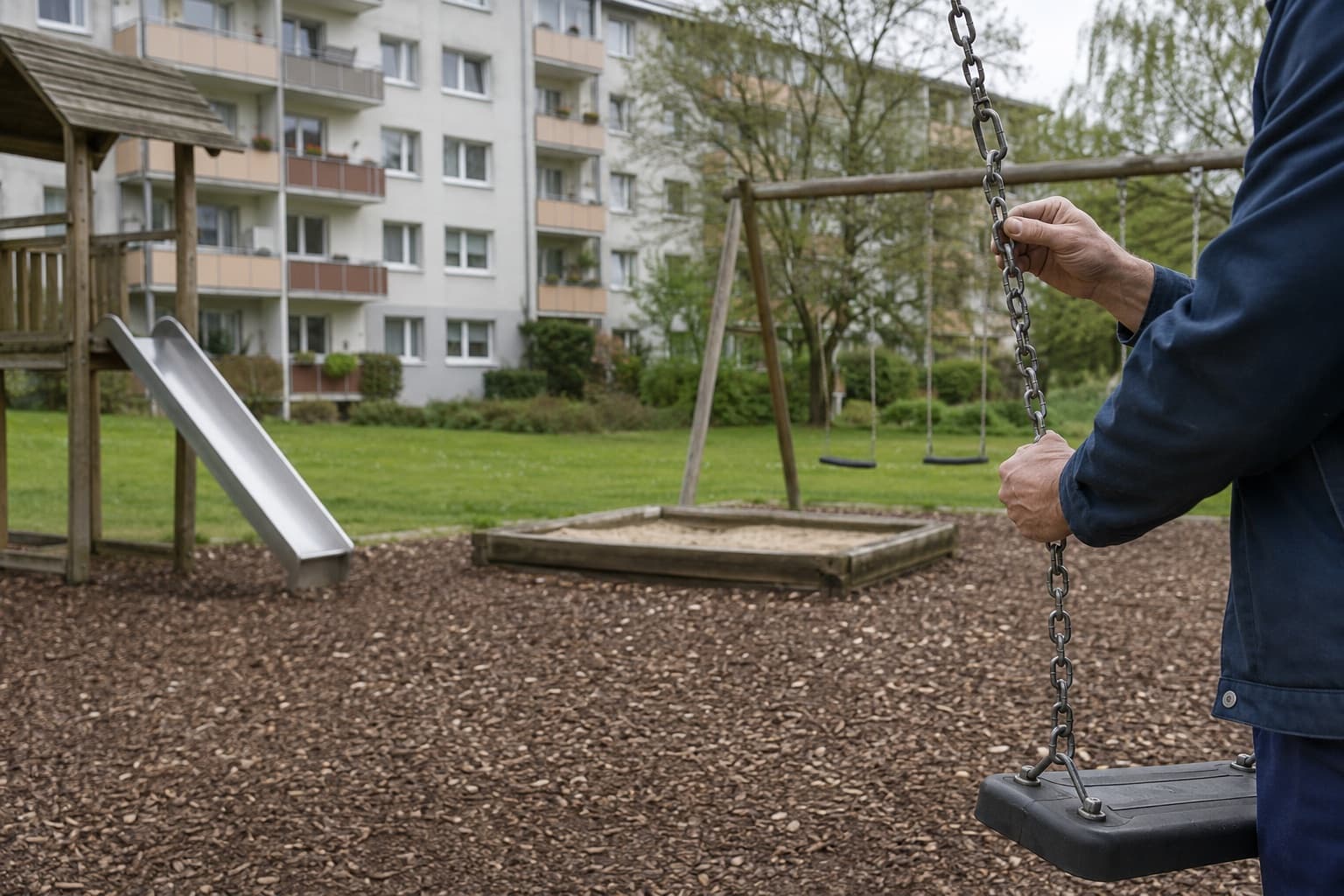
Spielplatzkontrolle in Wohnanlagen: Pflichten, Intervalle, Dokumentation
Read more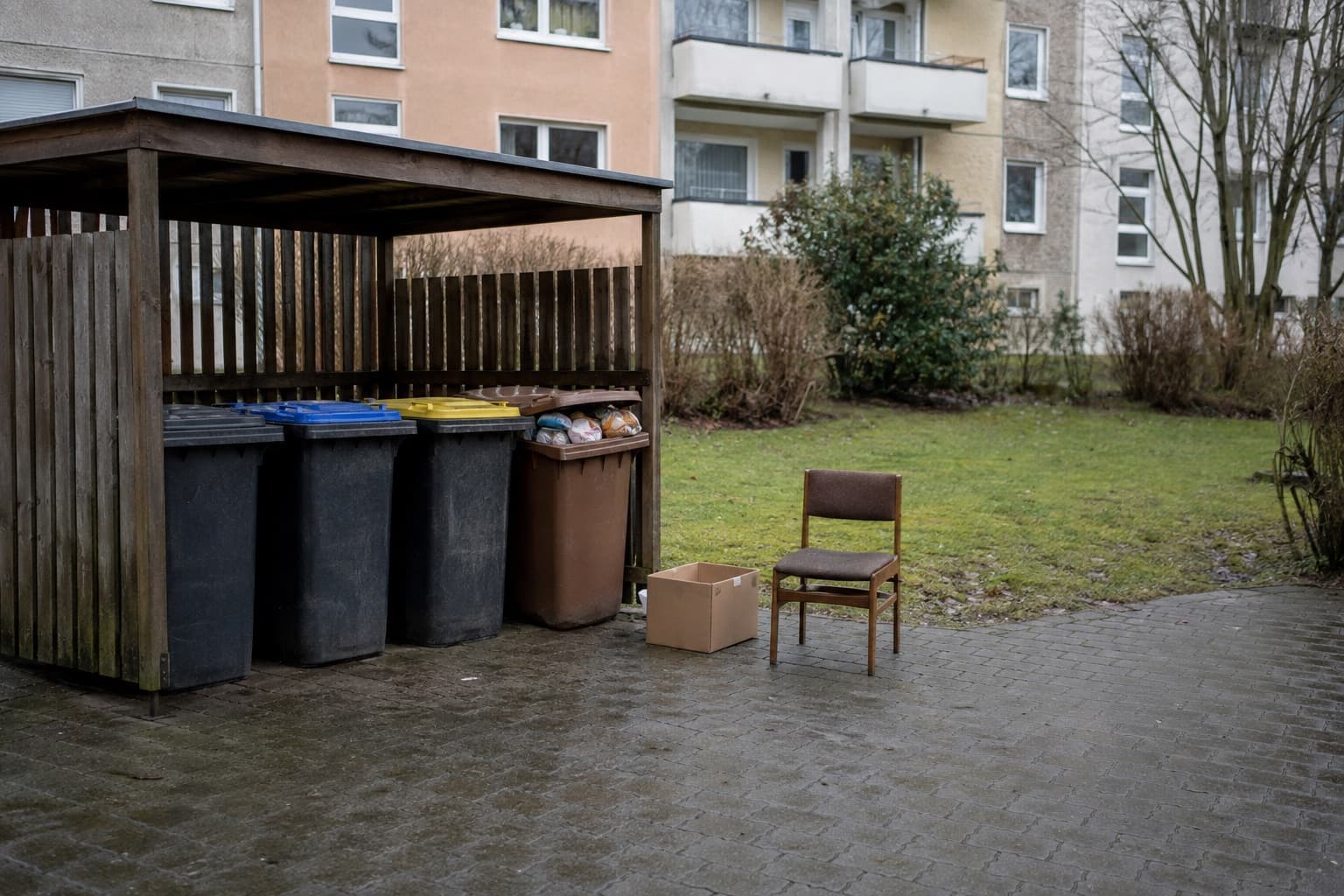
Müll im Mehrfamilienhaus: Was Fehlwürfe wirklich kosten
Read more
The clearing and gritting duty in Hesse — what owners and landlords need to know
Read moreLet us talk about your property.
Tell us what you need — we usually reply within one working day with a quote, free and without obligation.
- 1


Send an enquiry
Through the contact form, by phone, WhatsApp or email — whichever suits you best.
- 2
Arrange a visit
We get back to you promptly and, where useful, arrange a visit on site that fits your schedule.
- 3


Receive a free quote
You get a transparent quote with no obligation — no hidden costs, no small print.
- 4


You decide
No pressure and no lengthy commitment: take your time to decide whether it is a good fit.