
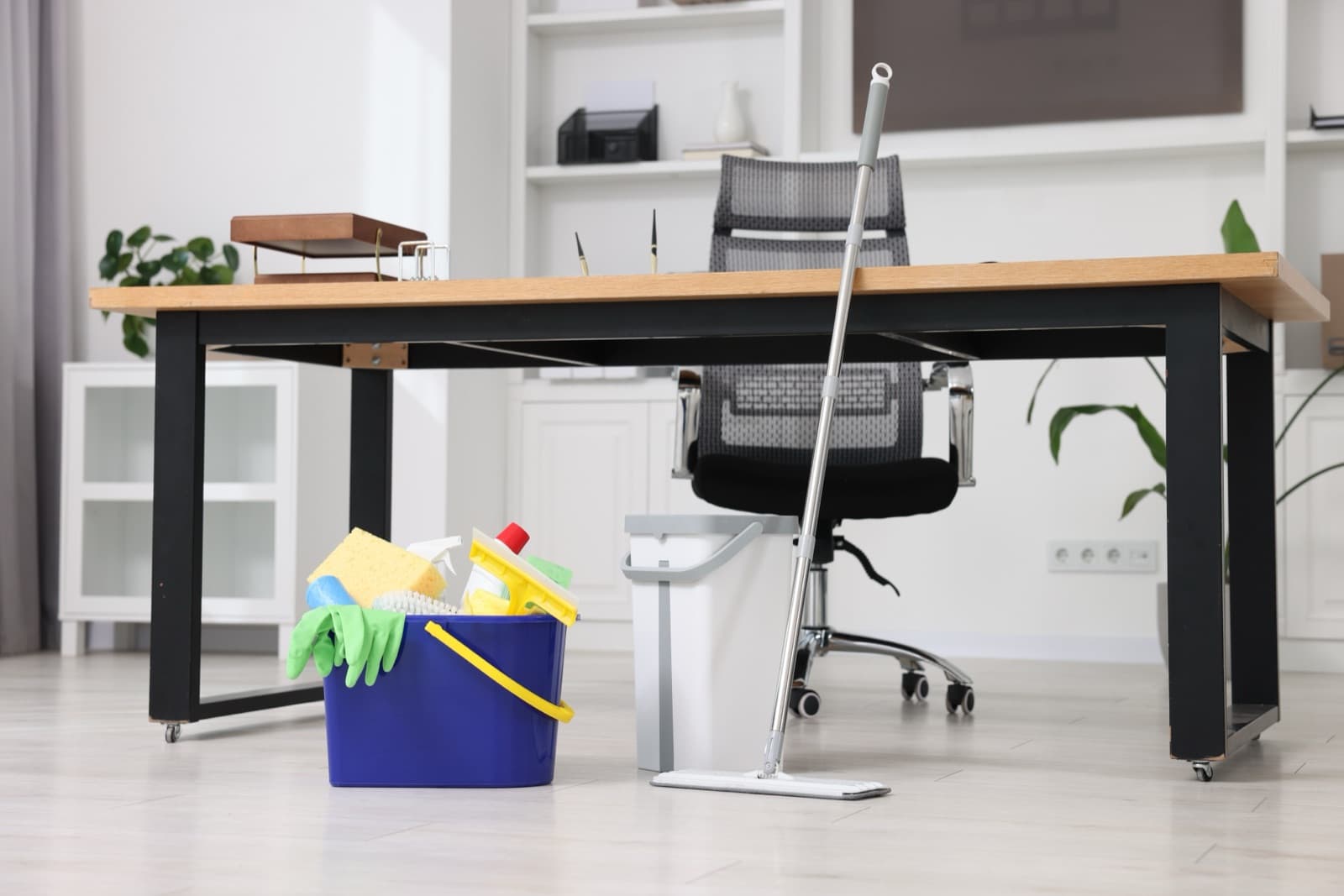
Routine cleaning or deep cleaning? The difference — and how often each is needed
Both terms tend to turn up in a cleaning contractor's quote — routine cleaning and deep cleaning — without it always being clear where the difference lies and why a property actually needs both.
Routine cleaning: the ongoing upkeep
Routine cleaning covers the regularly recurring work that keeps a stairwell or communal areas clean:
- Sweeping and mopping the floors
- Dusting handrails and window sills
- Emptying waste bins
- Cleaning glass doors in the entrance area
How often depends on how intensively the building is used — weekly is usual for stairwells with heavy footfall, while a fortnightly cycle is sometimes enough for smaller properties. There is more on this in our article Stairwell cleaning: cycle, checklist, who is responsible?.
Deep cleaning: the thorough refresh
Deep cleaning goes considerably further than the ongoing upkeep: it covers areas that are not cleaned routinely from day to day — for example
- ingrained dirt in floor joints
- limescale deposits on taps and fittings
- stubborn soiling on window frames or light switches
- stripping and, where necessary, resealing heavily used floors
It is typically carried out once or twice a year, independently of the ongoing routine cleaning cycle.
Why a property usually needs both
Routine cleaning does keep visible dirt at bay from day to day, but it cannot fully catch gradual build-up (limescale, dirt trodden into joints, deposits in places that are hard to reach). Where only routine cleaning is done, this usually shows up first on floors and joints after a while — an annual deep clean stops long-term damage or permanent discolouration taking hold there.
What WEG resolutions usually cover
In practice the cleaning cycle is usually set out in the caretaker or cleaning contract, or in a corresponding resolution of the residents' association — § 19 Abs. 1 of the Wohnungseigentumsgesetz (WEG, the German act on apartment ownership) places the regulation of the management and use of the common property squarely within this power to pass resolutions, unless something else has been agreed. It makes sense to itemise routine cleaning and deep cleaning separately from the outset — that also makes it easier later to allocate them correctly in the operating costs statement. Under § 1 Abs. 1 of the Betriebskostenverordnung (BetrKV, the German operating costs regulation), operating costs are only those costs that the owner incurs on an ongoing basis; the costs of building cleaning are expressly listed there in § 2 Nr. 9. Whether a deep clean falls under this therefore depends in each individual case on whether it recurs on a fixed cycle or remains a one-off measure.
Practical tip
Ask for routine cleaning and deep cleaning to be listed separately in the quote, even when both come from the same contractor — that makes it transparent which part of the cost is incurred for what, and simplifies the statement of accounts to the owners.
How Zamsa helps
We handle both from a single source: ongoing building cleaning on the agreed cycle, and deep cleaning as a separate item — itemised separately in the quote, so that it remains clear from the start which part of the cost is incurred for what. Every visit is documented, so the managing agent can evidence the work carried out to the owners.
Sources
Not legal or tax advice
This article gives a general overview and is no substitute for individual legal or tax advice. Laws, deadlines and responsibilities can change and may differ in an individual case. For a binding assessment of your particular situation, please consult a solicitor or tax adviser, or the relevant authority.
You might also find this useful.
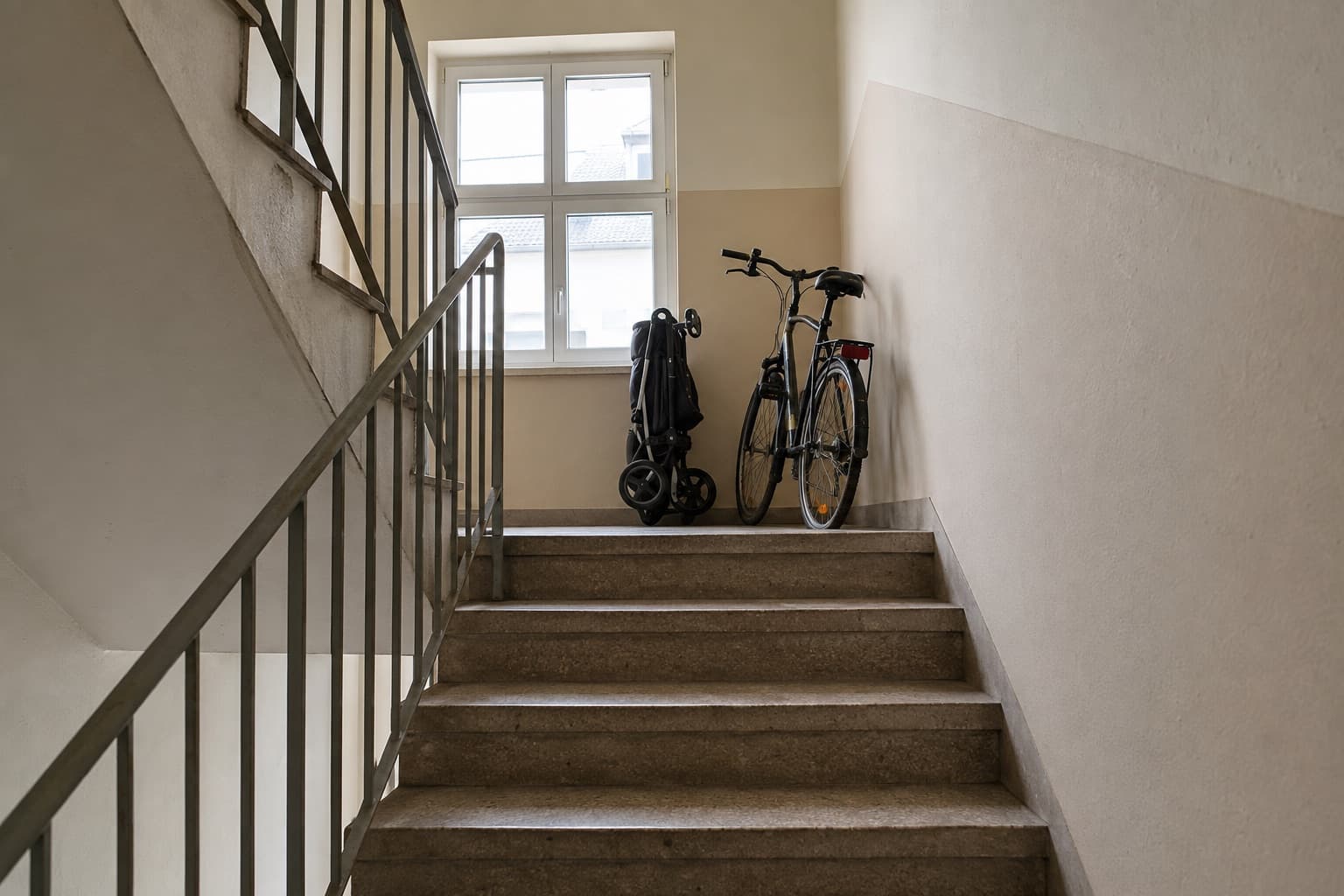
Treppenhaus als Fluchtweg: Was darf dort stehen — und was nicht?
Read more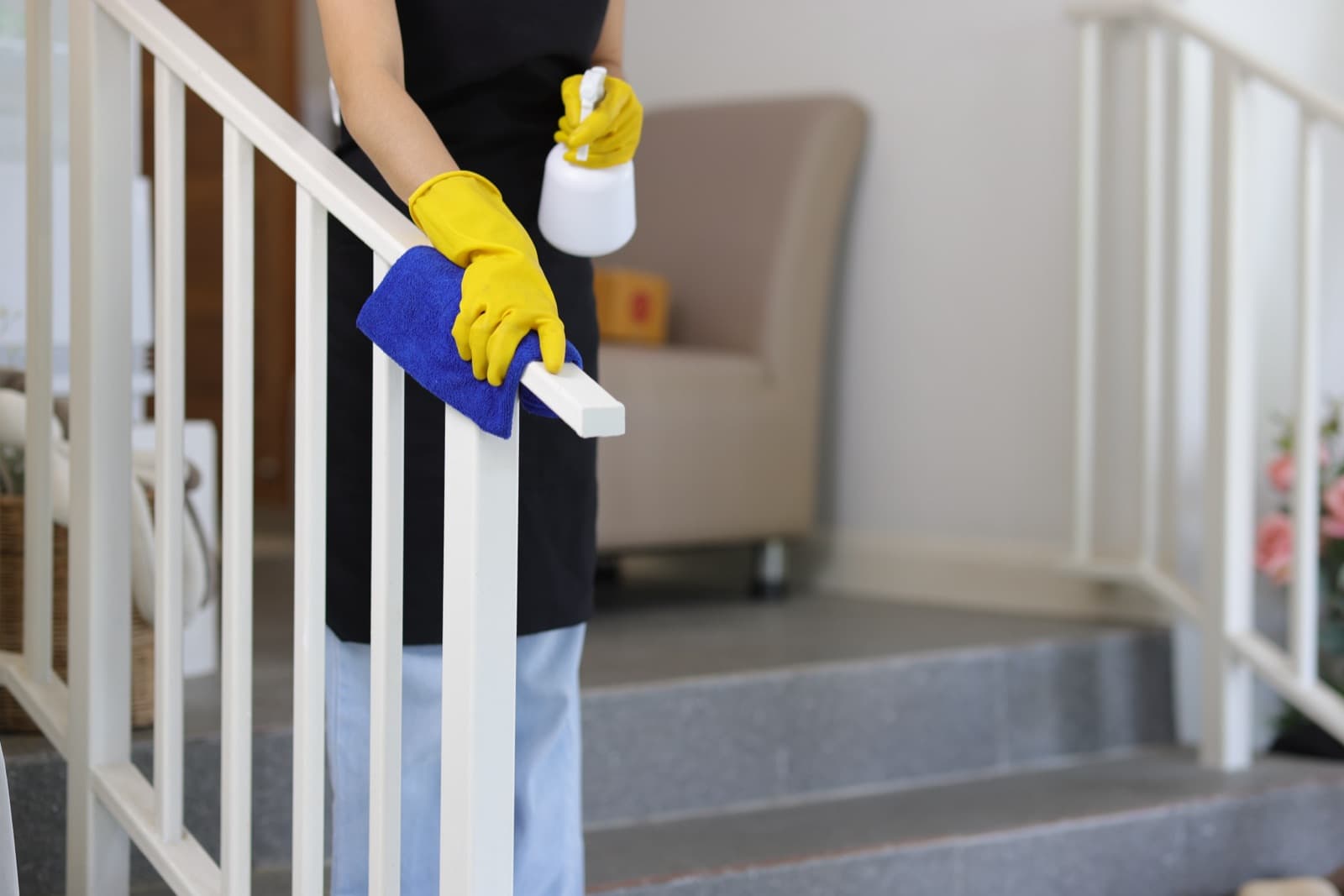
Stairwell cleaning: cycle, checklist, who is responsible?
Read more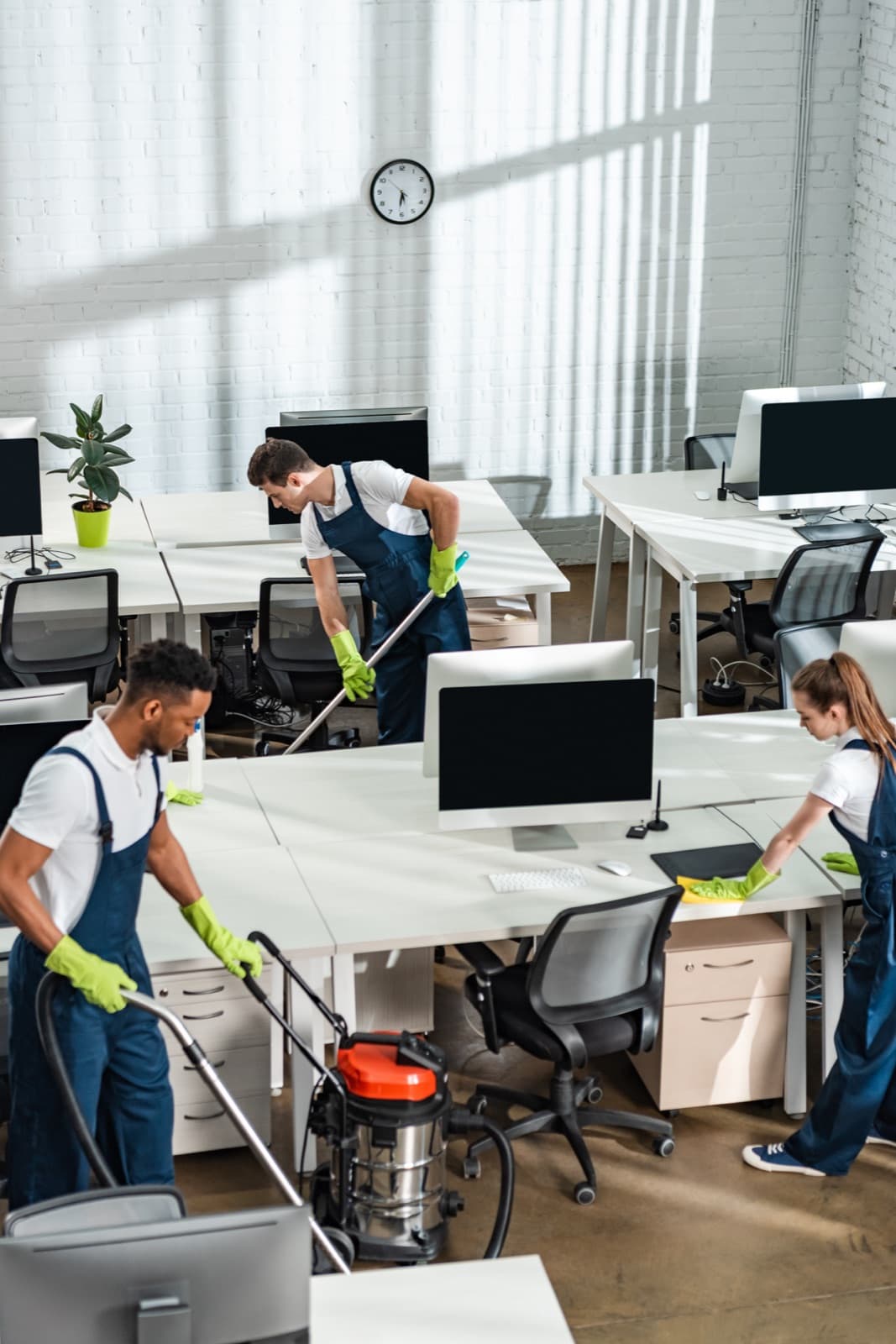
Caretaker service vs. individual firms — what makes sense for managing agents?
Read more
What may a caretaker do – and what not? Powers and limits in everyday practice
Read more
Property inspections: why regular checks prevent consequential damage
Read more
Spielplatzkontrolle in Wohnanlagen: Pflichten, Intervalle, Dokumentation
Read more
Müll im Mehrfamilienhaus: Was Fehlwürfe wirklich kosten
Read more
The clearing and gritting duty in Hesse — what owners and landlords need to know
Read moreLet us talk about your property.
Tell us what you need — we usually reply within one working day with a quote, free and without obligation.
- 1


Send an enquiry
Through the contact form, by phone, WhatsApp or email — whichever suits you best.
- 2
Arrange a visit
We get back to you promptly and, where useful, arrange a visit on site that fits your schedule.
- 3


Receive a free quote
You get a transparent quote with no obligation — no hidden costs, no small print.
- 4


You decide
No pressure and no lengthy commitment: take your time to decide whether it is a good fit.