
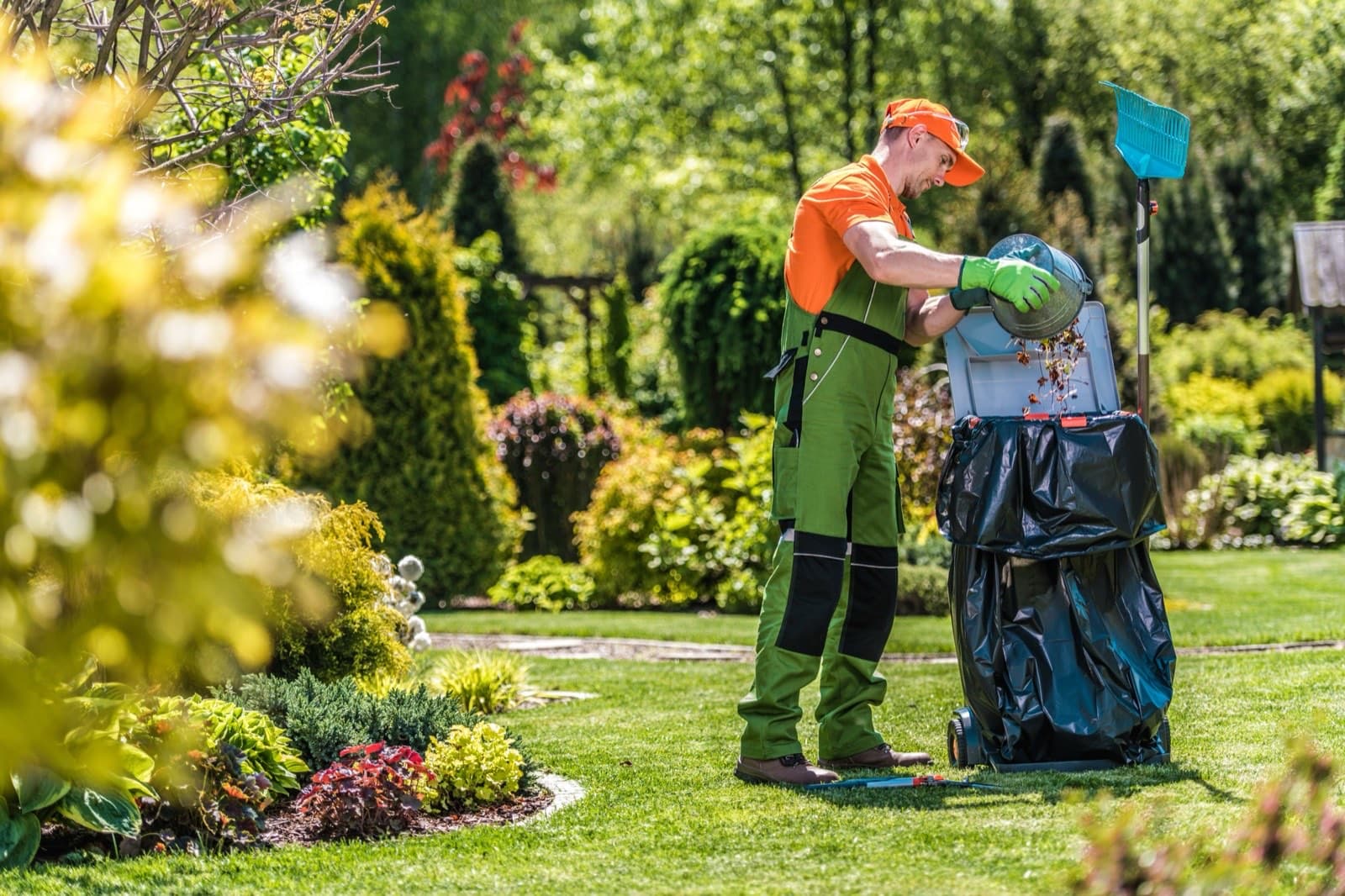
Planning your lawn care schedule (spring to autumn)
A well-kept lawn does not look good by accident — it follows a yearly rhythm. Mow and feed too rarely or at the wrong time, and you will soon be fighting moss, bare patches or weeds. Here is the schedule that keeps grassed areas looking cared for all year round.
Spring (March to May)
- The first cut as soon as the grass is visibly growing — usually from the middle or end of March.
- Scarifying against thatch and moss, ideally once in spring.
- The first application of fertiliser after scarifying, to help the lawn put out new growth.
Summer (June to August)
- Mowing weekly, and more often when growth is strong — never take off more than a third of the blade length at once.
- In dry spells: water less often but thoroughly, rather than lightly every day.
- Leave the cutting height a little higher in high summer (around 5–6 cm) — that protects the soil from drying out.
Autumn (September to November)
- An autumn feed high in potassium strengthens the lawn's resilience for the winter.
- Clear leaves regularly — leaves left lying will smother the grass underneath.
- A final cut before the first frost, and after that avoid walking on it where possible.
Practical tip
Most lawn problems arise not from too little care but from irregular care — a fixed schedule across the season prevents them more reliably than occasional work done by feel.
Winter (December to February)
During dormancy there is little to do — the lawn should be walked on as little as possible at this time, particularly in frost or wet, to avoid compaction and bare patches in spring.
How Zamsa helps
Our grounds maintenance service is designed for exactly this kind of fixed schedule across the season: mowing, feeding and scarifying are in the care calendar, rather than having to be commissioned each time.
Not legal or tax advice
This article gives a general overview and is no substitute for individual legal or tax advice. Laws, deadlines and responsibilities can change and may differ in an individual case. For a binding assessment of your particular situation, please consult a solicitor or tax adviser, or the relevant authority.
You might also find this useful.
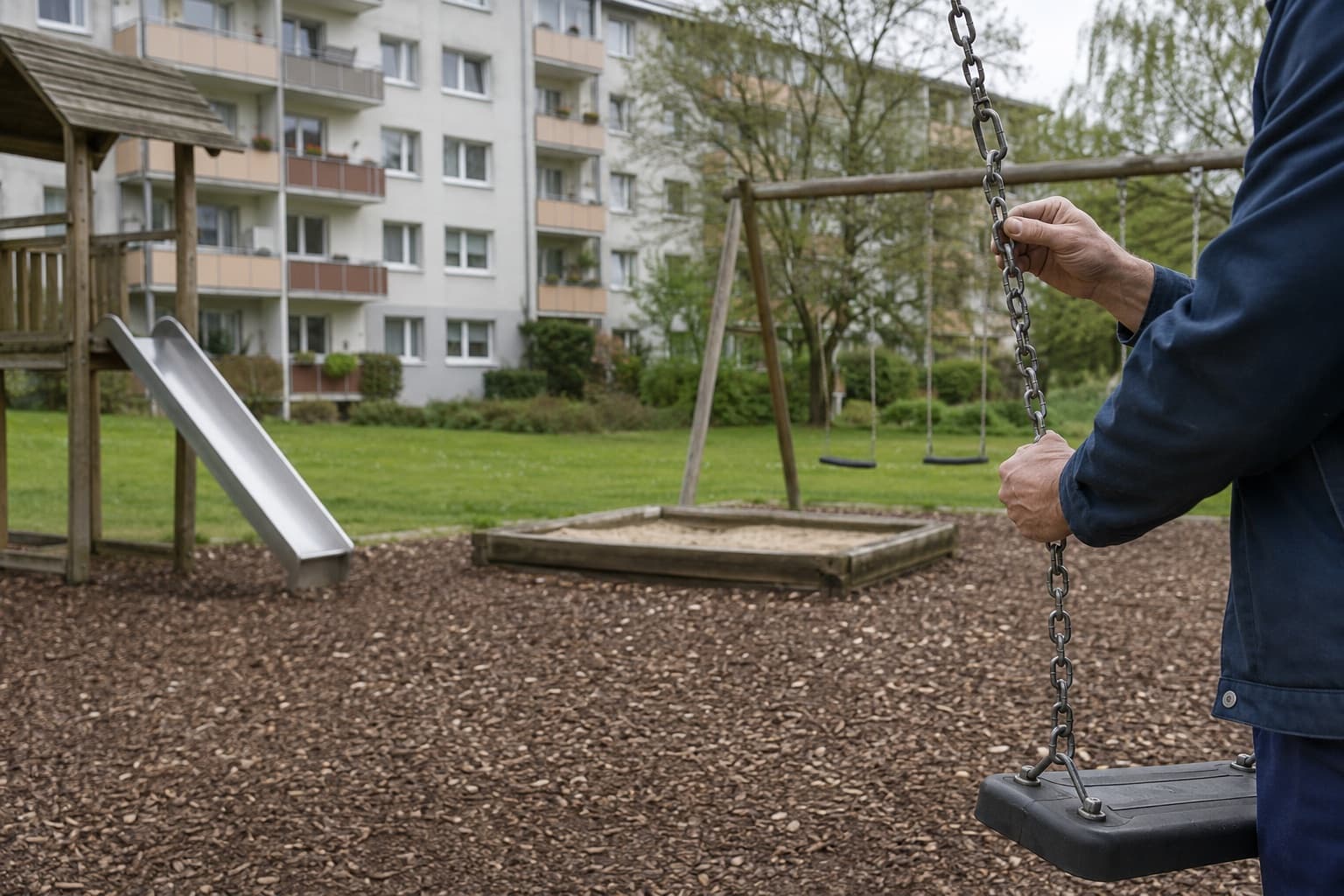
Spielplatzkontrolle in Wohnanlagen: Pflichten, Intervalle, Dokumentation
Read more
Hedge cutting deadlines: what is legally allowed between March and September
Read more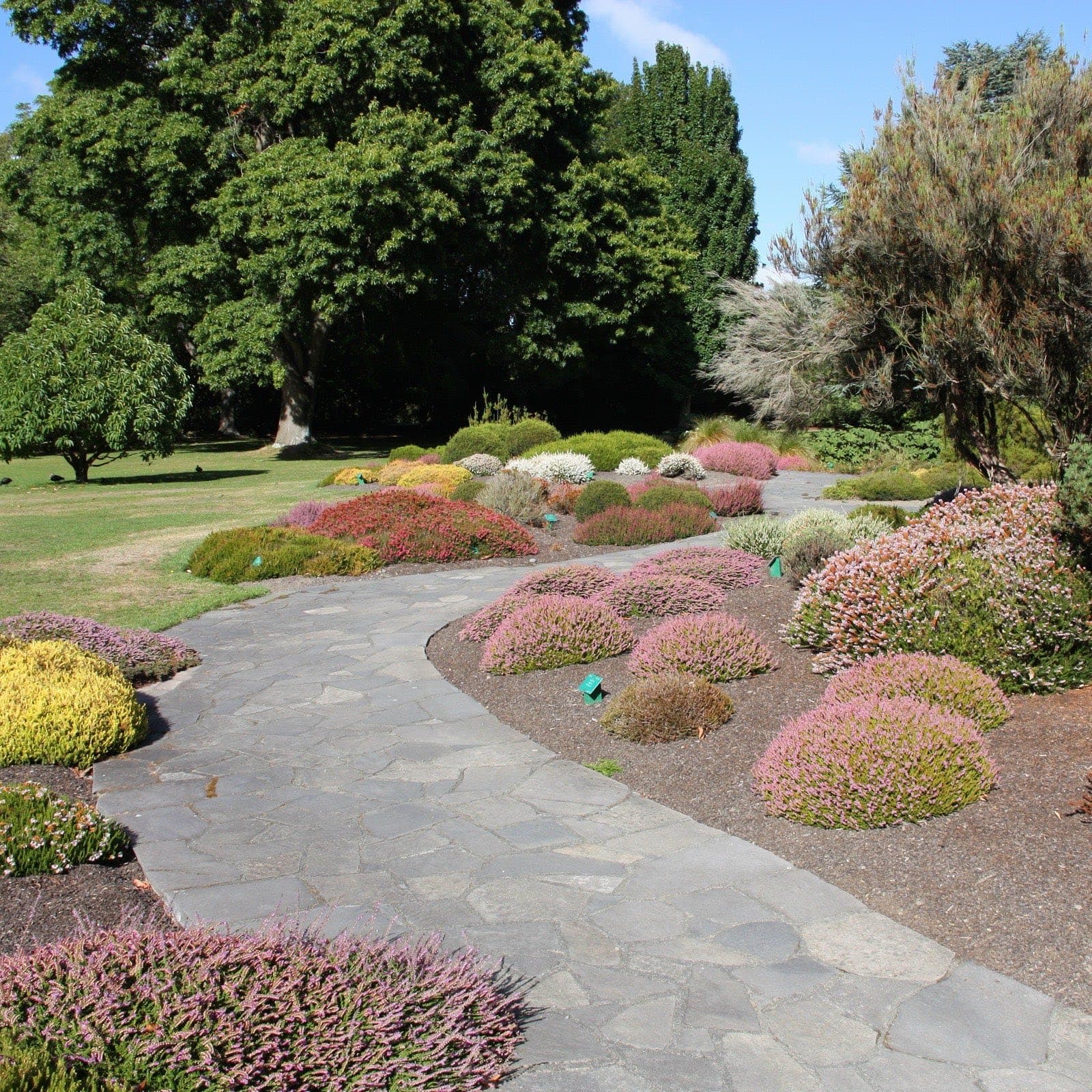
Growth over pavement and road: when owners have to cut back
Read more
Leaves in autumn: who is responsible — and who is liable if someone falls?
Read more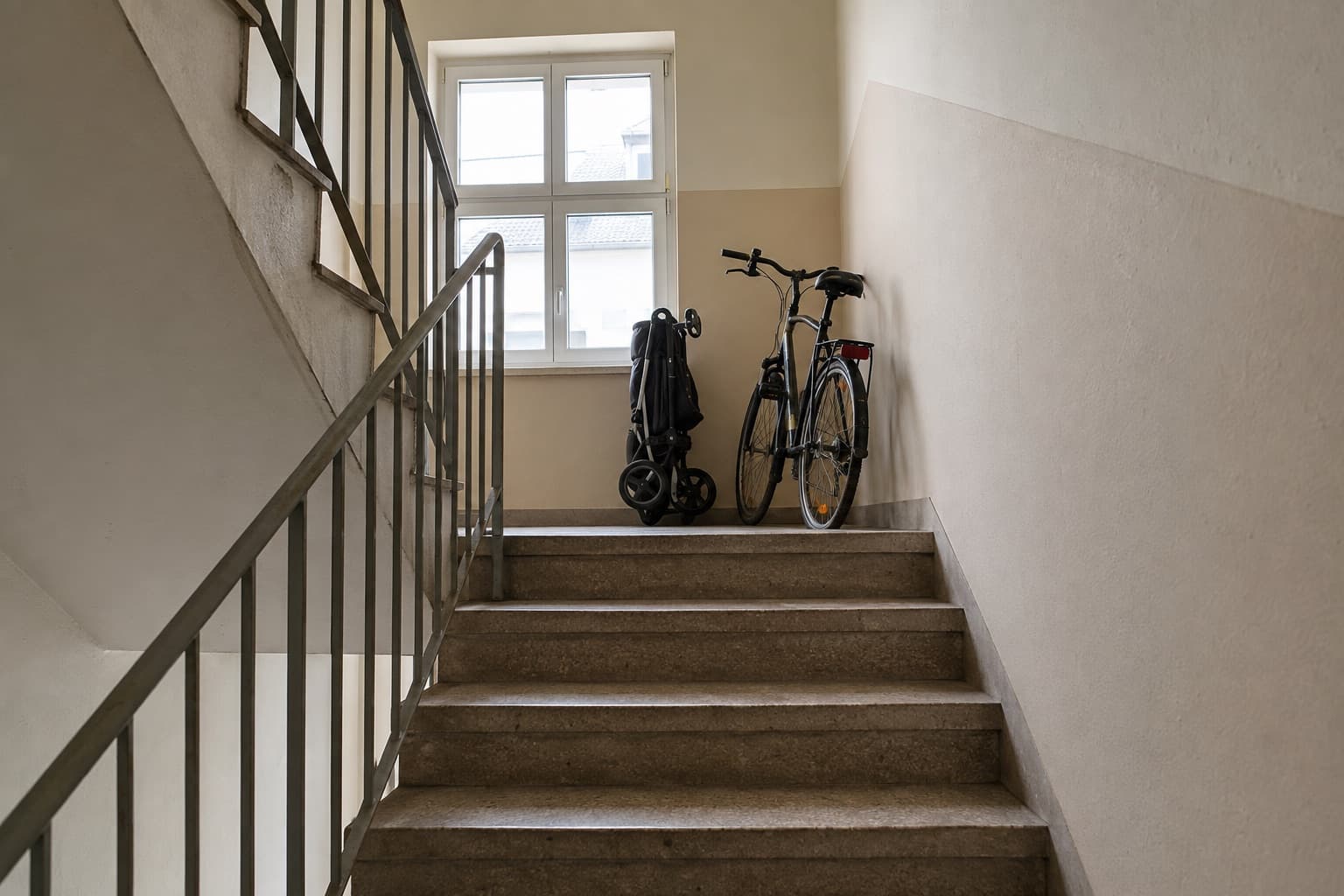
Treppenhaus als Fluchtweg: Was darf dort stehen — und was nicht?
Read more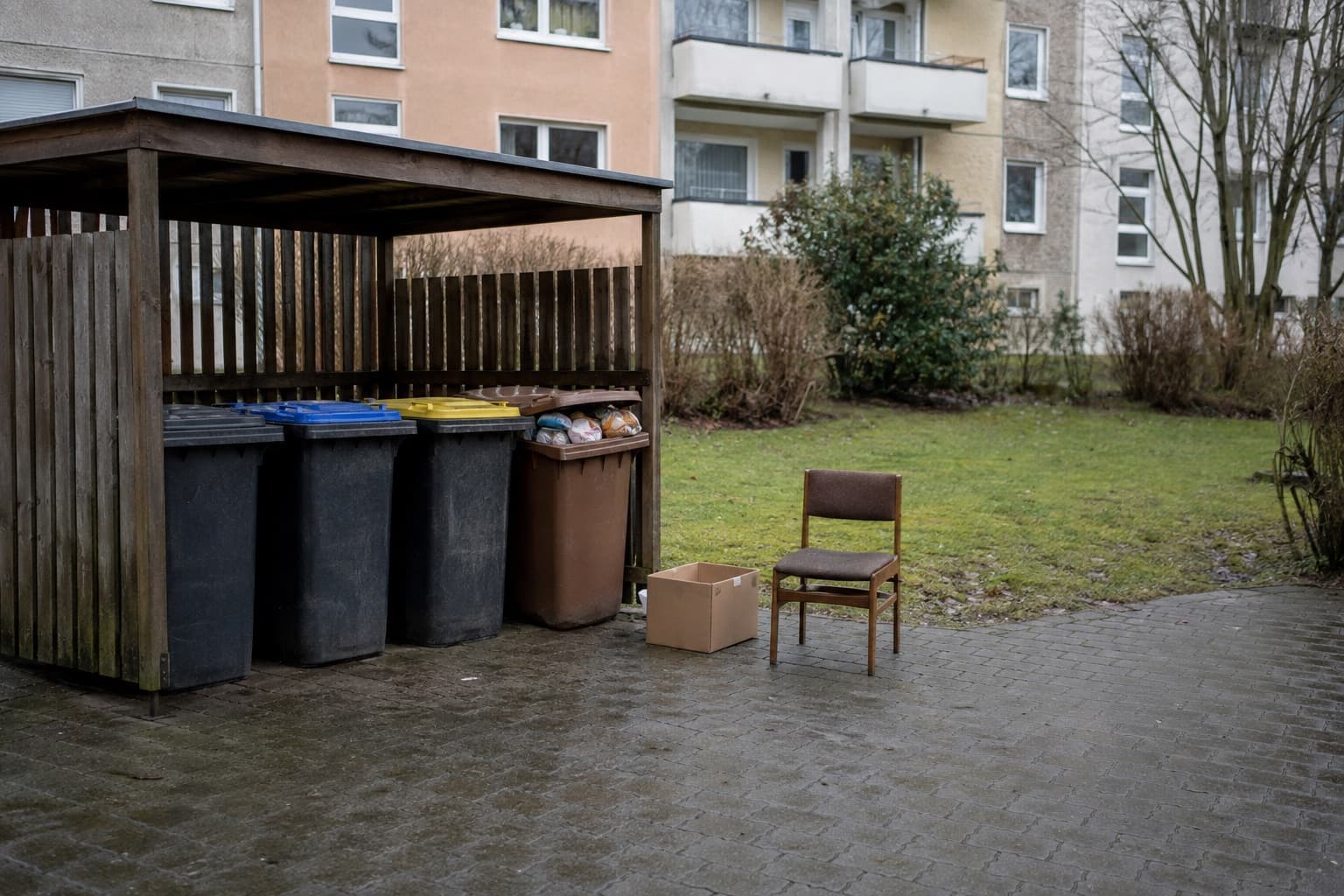
Müll im Mehrfamilienhaus: Was Fehlwürfe wirklich kosten
Read more
The clearing and gritting duty in Hesse — what owners and landlords need to know
Read more
Winter maintenance costs: what does the price depend on — and how do you save?
Read moreLet us talk about your property.
Tell us what you need — we usually reply within one working day with a quote, free and without obligation.
- 1


Send an enquiry
Through the contact form, by phone, WhatsApp or email — whichever suits you best.
- 2


Arrange a visit
We get back to you promptly and, where useful, arrange a visit on site that fits your schedule.
- 3


Receive a free quote
You get a transparent quote with no obligation — no hidden costs, no small print.
- 4


You decide
No pressure and no lengthy commitment: take your time to decide whether it is a good fit.