
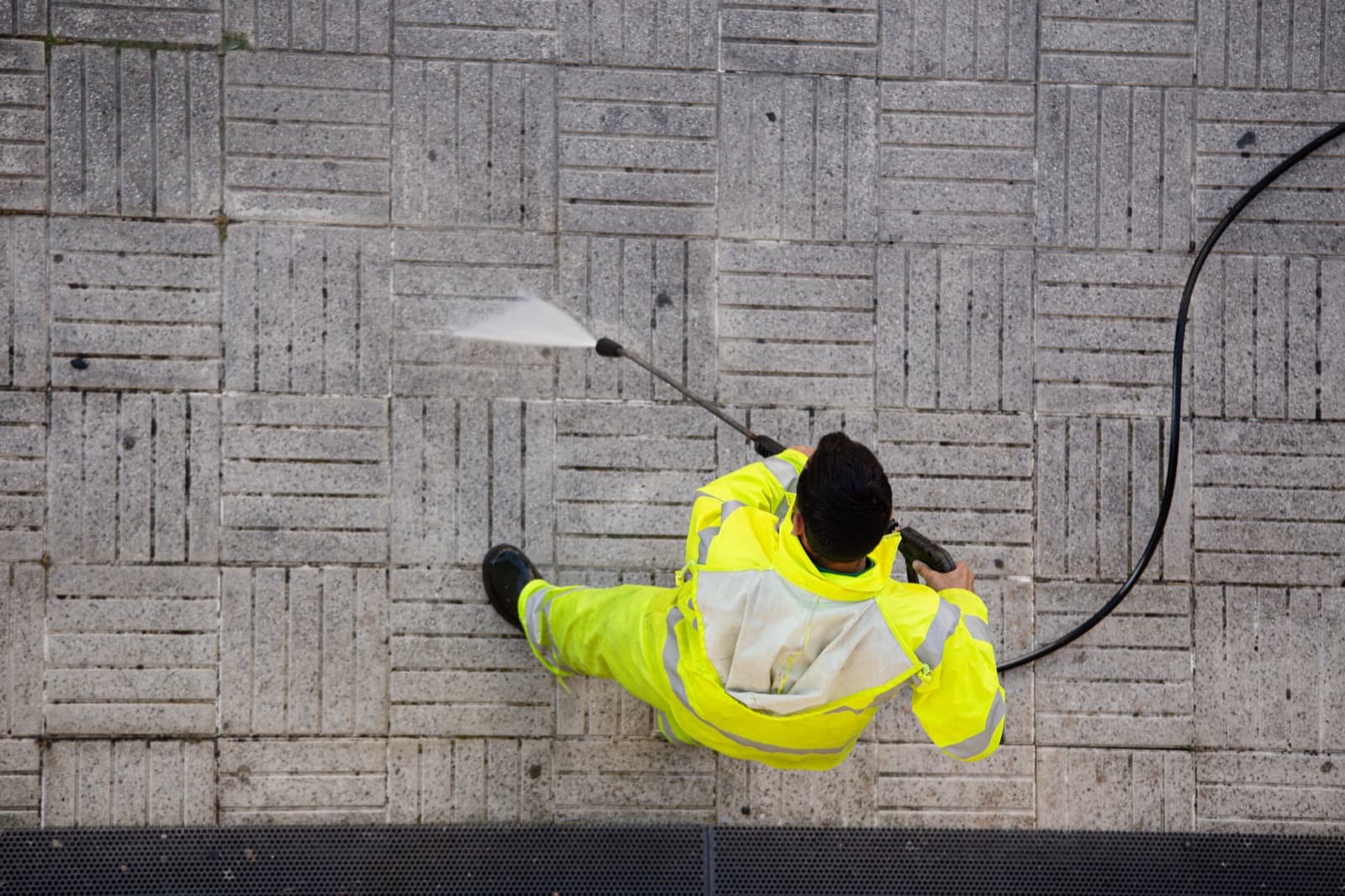
Impregnating paving after stone cleaning: is it worth it?
Impregnating, sealing, coating: what protects cleaned stone, which surfaces benefit and when it is money wasted.
After a thorough stone cleaning the surface looks like new — and almost always the same question follows: should the paving be impregnated now so it stays that way for longer? The honest answer: sometimes yes, often no. Here is what it depends on.
There are two ways to prevent regrowth: through care — removing leaves, keeping drains clear, reducing shade (see our separate guide) — or by treating the surface itself. This article is about the latter. The other stone-cleaning articles cover the cleaning; this one covers what comes after.
Impregnating, sealing, coating — not the same thing
- Impregnation penetrates the pores and makes the stone water- and dirt-repellent. The surface stays open and breathable; appearance and slip behaviour hardly change.
- Sealing or coating forms a film on the surface. It protects more strongly against stains but can shine, become more slippery when wet and wear off under heavy use.
For paths, driveways and terraces outdoors, impregnation is usually the better choice — precisely because it does not noticeably change slip resistance.
When impregnation is worth it
- on open-pored surfaces such as many concrete pavers, sandstone or limestone
- in shady, damp spots where algae and moss return quickly
- on terraces and entrances where stains from grease, drinks or leaves are a nuisance
- when the surface has just been cleaned thoroughly and has fully dried
When it is money wasted
- on very dense surfaces such as polished granite or porcelain tiles — the product can hardly penetrate
- on heavily trafficked areas with high abrasion, where the effect wears off quickly
- when the surface will soon be replaced anyway
- on a surface that has not been cleaned properly — the dirt gets sealed in
The order is what matters
An impregnation is only as good as the surface underneath. The paving must first be cleaned thoroughly and in a way that suits the material — which method each surface tolerates is explained in Terrace cleaning by material. The surface then needs time to dry out completely; residual moisture in the pores stops the product from penetrating. Apply in dry, frost-free weather.
How long does it last?
A blanket figure would not be honest. Durability depends on the product, the surface, the location and how heavily the area is used. Reliable figures are in the technical data sheet of the product in question. One thing is clear: impregnation is not permanent protection; it extends the interval until the next cleaning.
Quick check: do I need an impregnation?
A simple test: put a few drops of water on the cleaned, dry stone. If the water soaks in quickly and darkens the stone, it is open-pored — impregnation can help a lot. If the water beads off, the surface is already dense or still protected.
What it costs
The largest share is usually the cleaning itself — no clean surface, no impregnation. What cleaning your surface costs is covered in Stone cleaning: costs and when it is needed — or you can work it out directly.
What does cleaning your surface cost? The price calculator estimates it in 30 seconds.Calculate now →How Zamsa helps
We clean paving, natural stone and terraces in a way that suits the material — with hot water or cold-water high pressure, depending on the surface — and re-treat the joints where moss has grown in. Whether an impregnation makes sense afterwards is something we discuss on site for your surface. More about stone cleaning.
You might also find this useful.
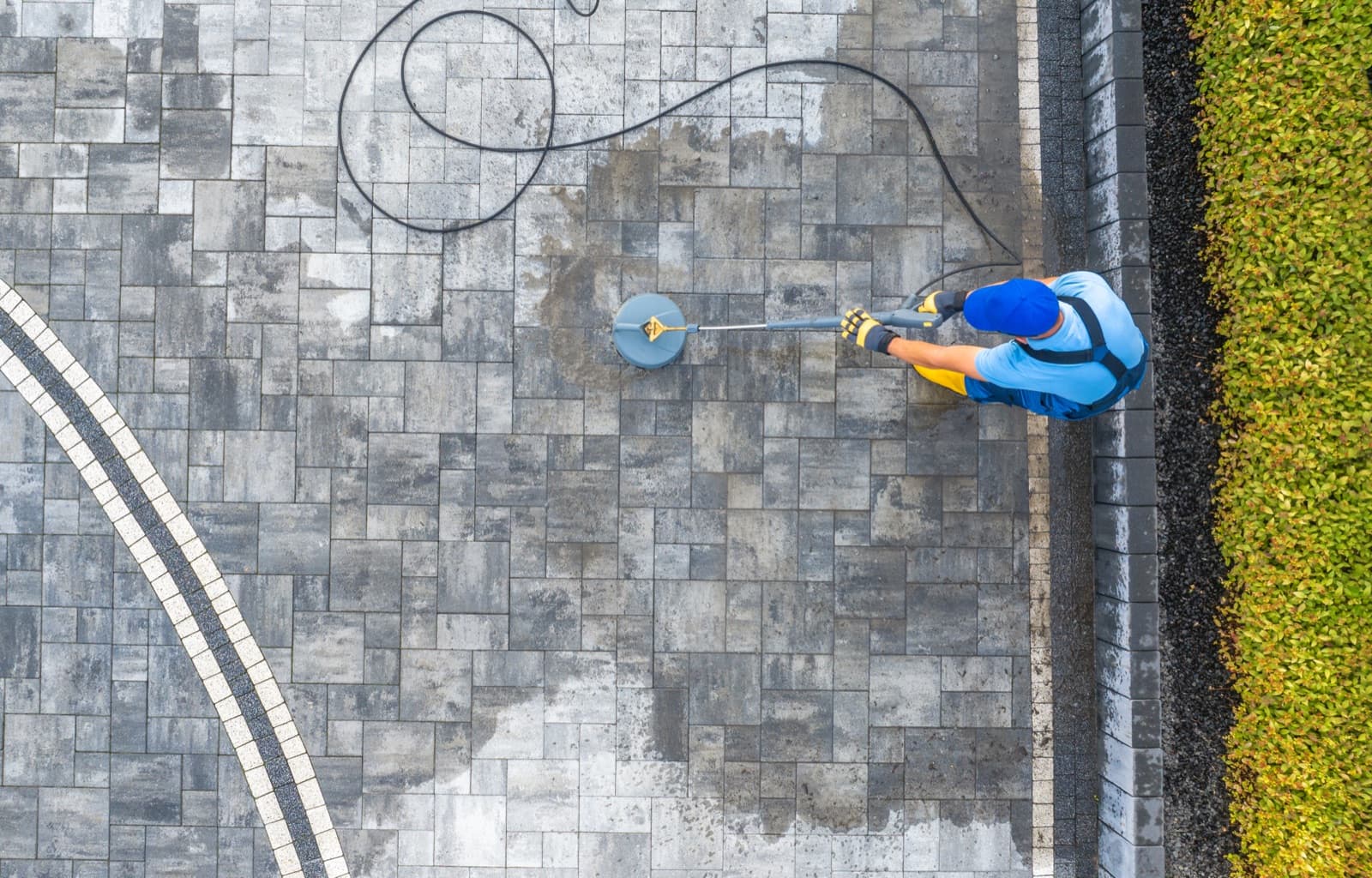
Stone cleaning: when is it needed, and what does it cost?
Read more
Algae, moss and dirt on paving and façades — causes and prevention
Read more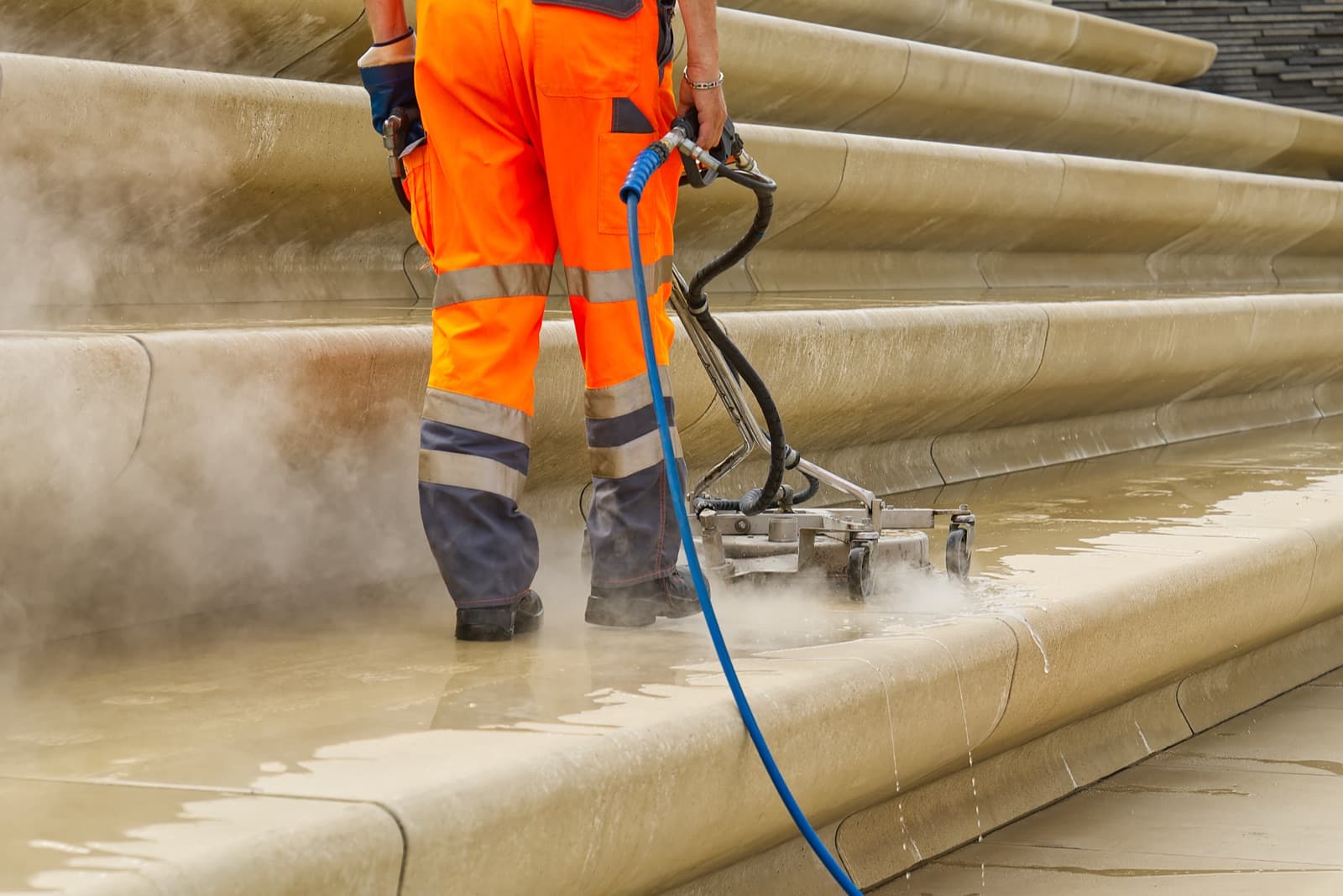
Cleaning paving and natural stone: high pressure, steam or by hand?
Read more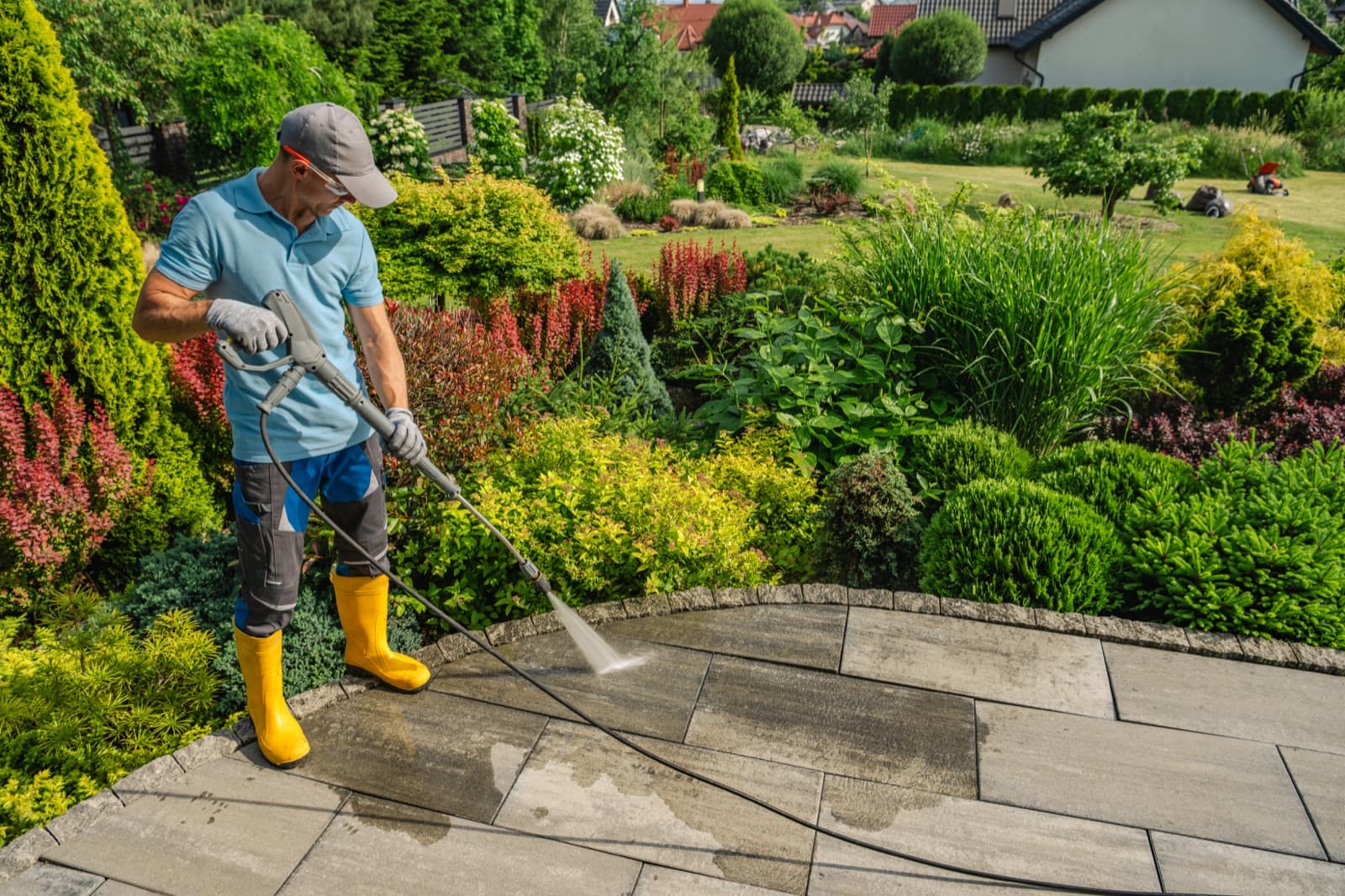
Algae, moss and green growth on patios and footpaths: when does it become dangerous?
Read more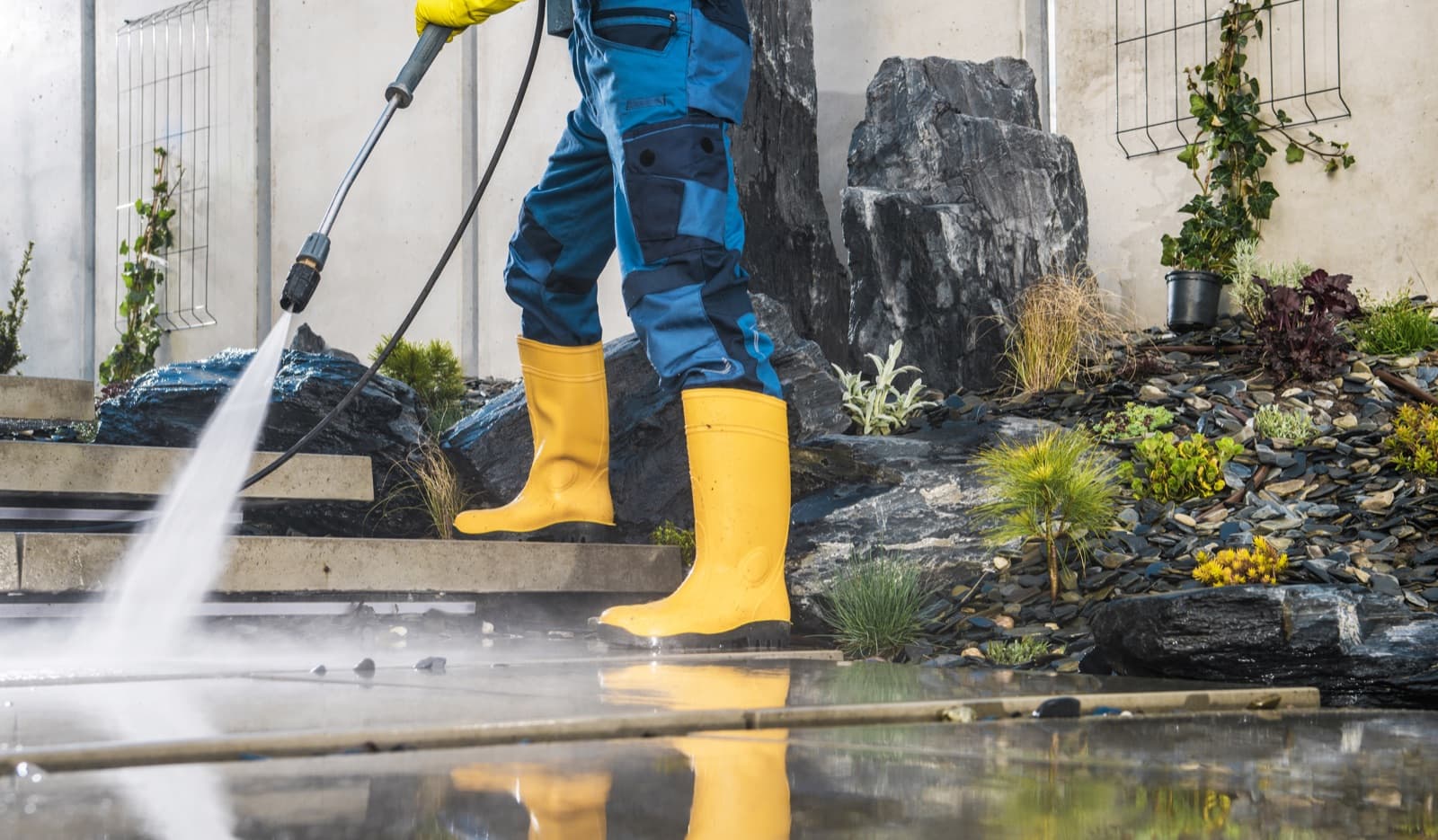
Patio cleaning: which method suits which surface?
Read more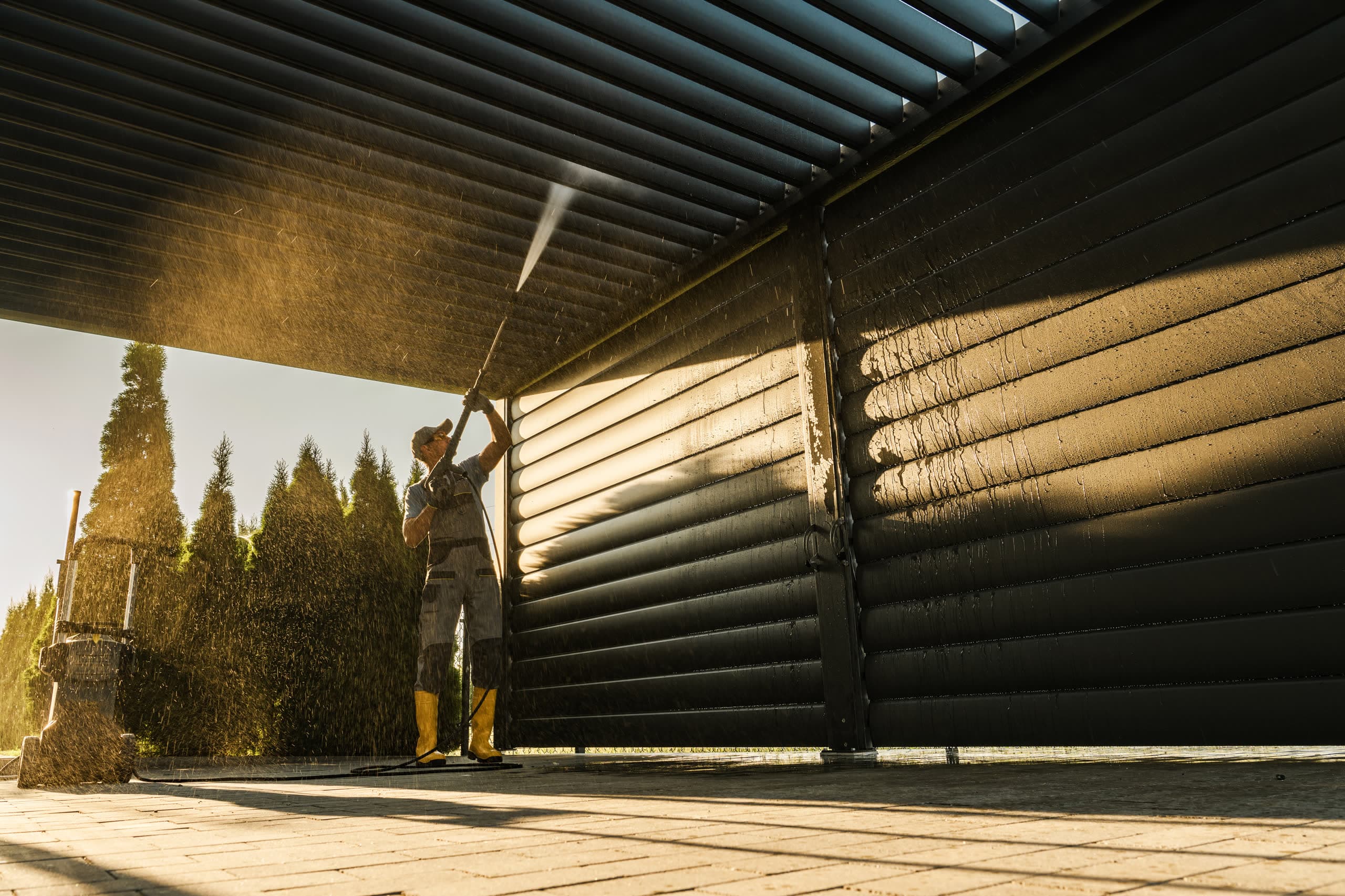
Cleaning gutters: how often, who is responsible and who pays?
Read more
Felling a tree on your property: when is it allowed?
Read more
Window cleaning in apartment buildings: who cleans, who pays?
Read moreLet us talk about your property.
Tell us what you need — we usually reply within one working day with a quote, free and without obligation.
 Send an enquiryThrough the contact form, by phone, WhatsApp or email — whichever suits you best.
 2Arrange a visitWe get back to you promptly and, where useful, arrange a visit on site that fits your schedule.
 3Receive a free quoteYou get a transparent quote with no obligation — no hidden costs, no small print.
 4You decideNo pressure and no lengthy commitment: take your time to decide whether it is a good fit.