
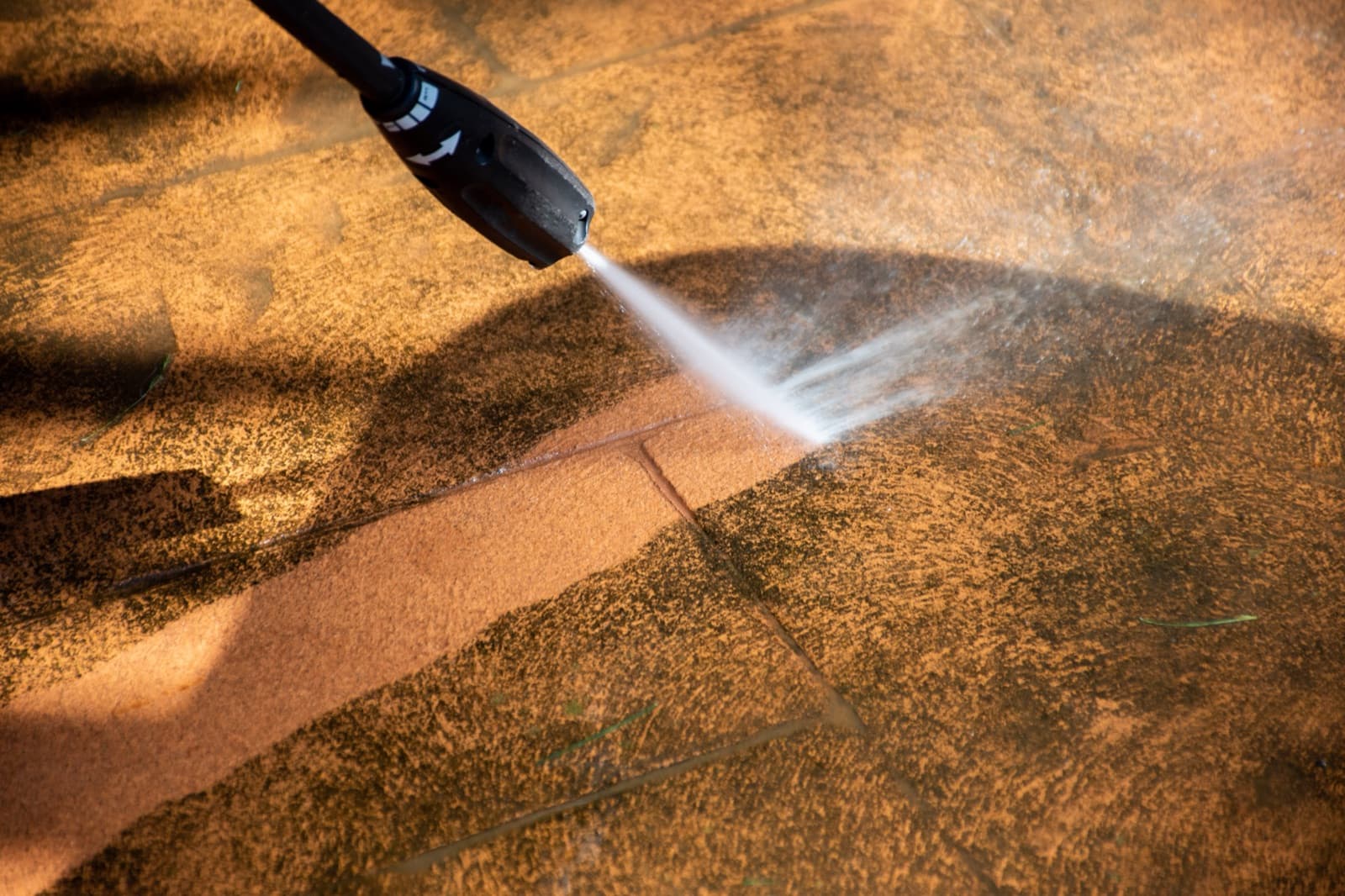
Algae, moss and dirt on paving and façades — causes and prevention
Why do paving and façades turn green in the first place? And can that be stopped for good, instead of being washed off again every few years? A look at the causes — and at what really helps.
Why does the growth appear at all?
Algae, moss and lichen need one thing above all: lasting damp. Surfaces that rarely see the sun — under trees, on the north side of a building, in narrow courtyards — dry off more slowly after rain and therefore offer ideal conditions. Porous or rough surfaces (many concrete pavers, untreated natural stone) encourage the growth further, because moisture and organic material lodge in the structure.
The most common causes at a glance
- Too little sunlight because of trees, shrubs or shade from the building
- Not enough fall, so that water sits on the surface instead of running off
- Leaves and organic material that are left lying and then act as a breeding ground
- Leaking or blocked gutters that send water running down one particular spot on the façade
What helps against regrowth in the long run
Practical tips for prevention
Sweep regularly: clear leaves and dirt promptly, before they settle in and become a source of nutrients.
Cut back what is nearby: prune trees and shrubs so that more light and air reach the surface.
Check the gutters: blocked downpipes are one of the most common causes of stubborn damp streaks on façades.
Impregnation after cleaning: a sealing treatment applied after professional cleaning noticeably slows regrowth, but it is not permanent protection.
In summary
In shady, damp spots there is hardly any way to prevent algae and moss altogether — but with regular care and the right preventive measures you can considerably stretch out the intervals at which a thorough clean becomes necessary.
How Zamsa helps
Prevention lengthens the gap between two cleans, but it does not replace them. Once a surface has become overgrown, only stone cleaning will bring it back to its original state — and from there the measures above start working again.
Not legal or tax advice
This article gives a general overview and is no substitute for individual legal or tax advice. Laws, deadlines and responsibilities can change and may differ in an individual case. For a binding assessment of your particular situation, please consult a solicitor or tax adviser, or the relevant authority.
You might also find this useful.
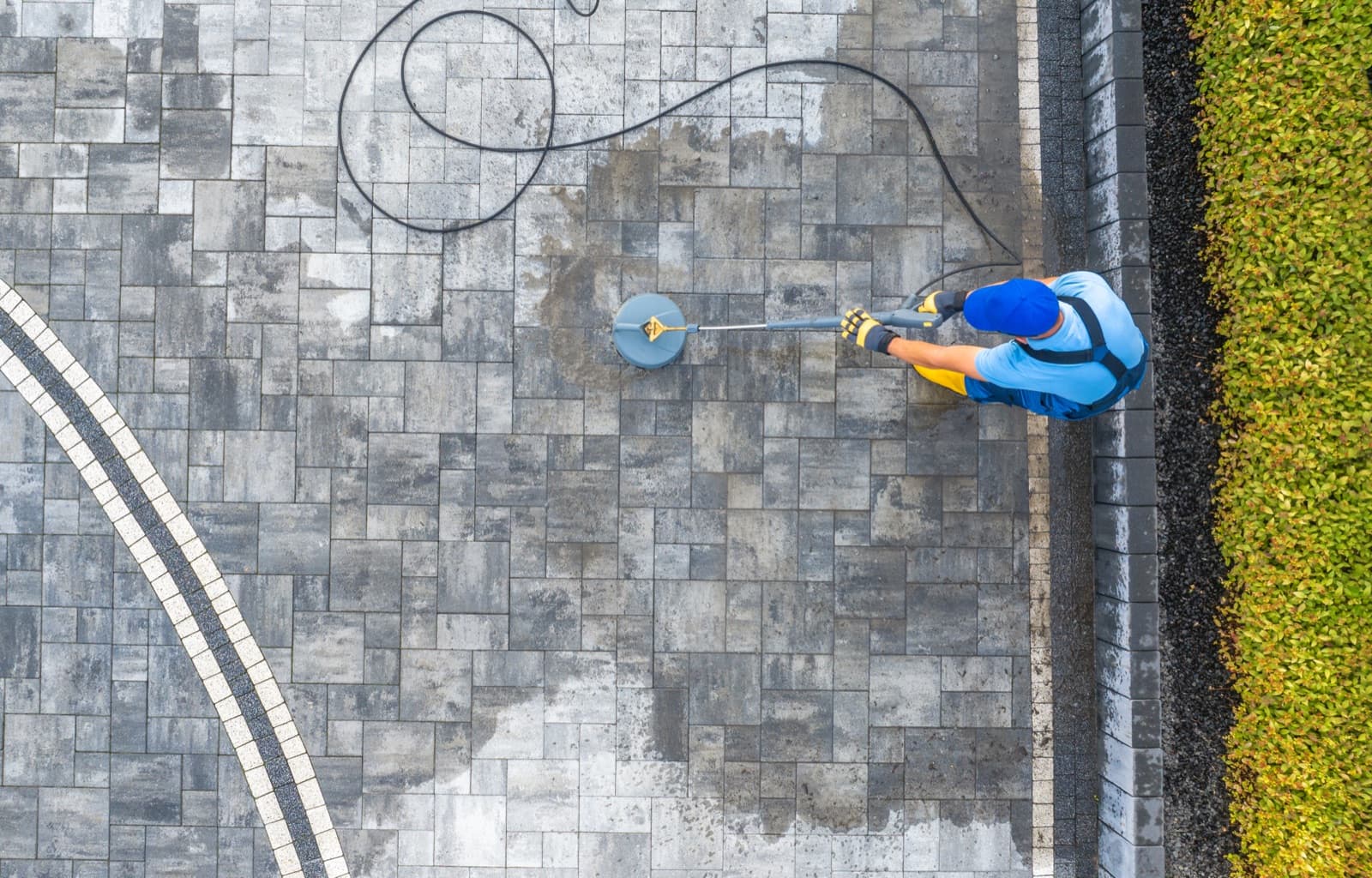
Stone cleaning: when is it needed, and what does it cost?
Read more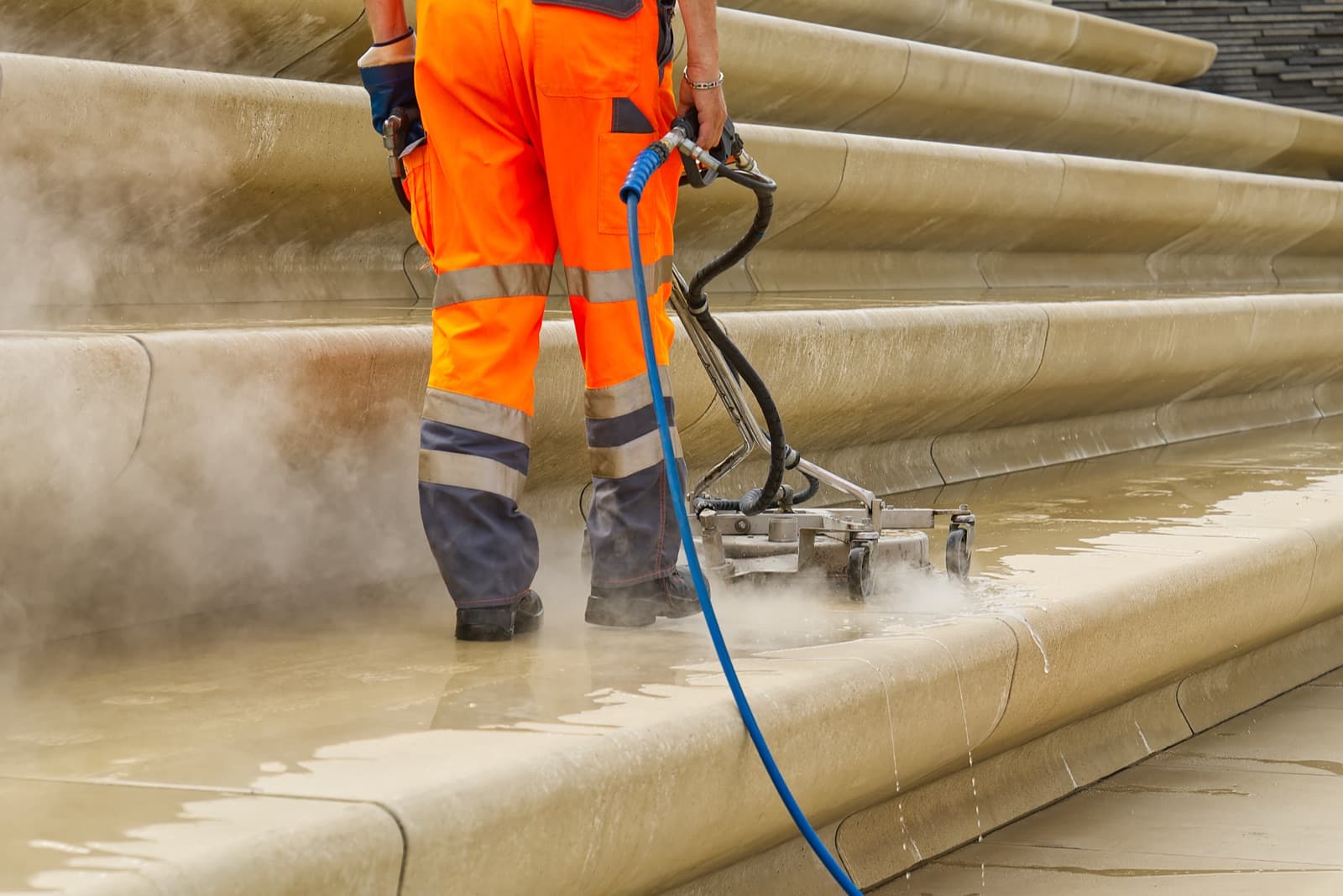
Cleaning paving and natural stone: high pressure, steam or by hand?
Read more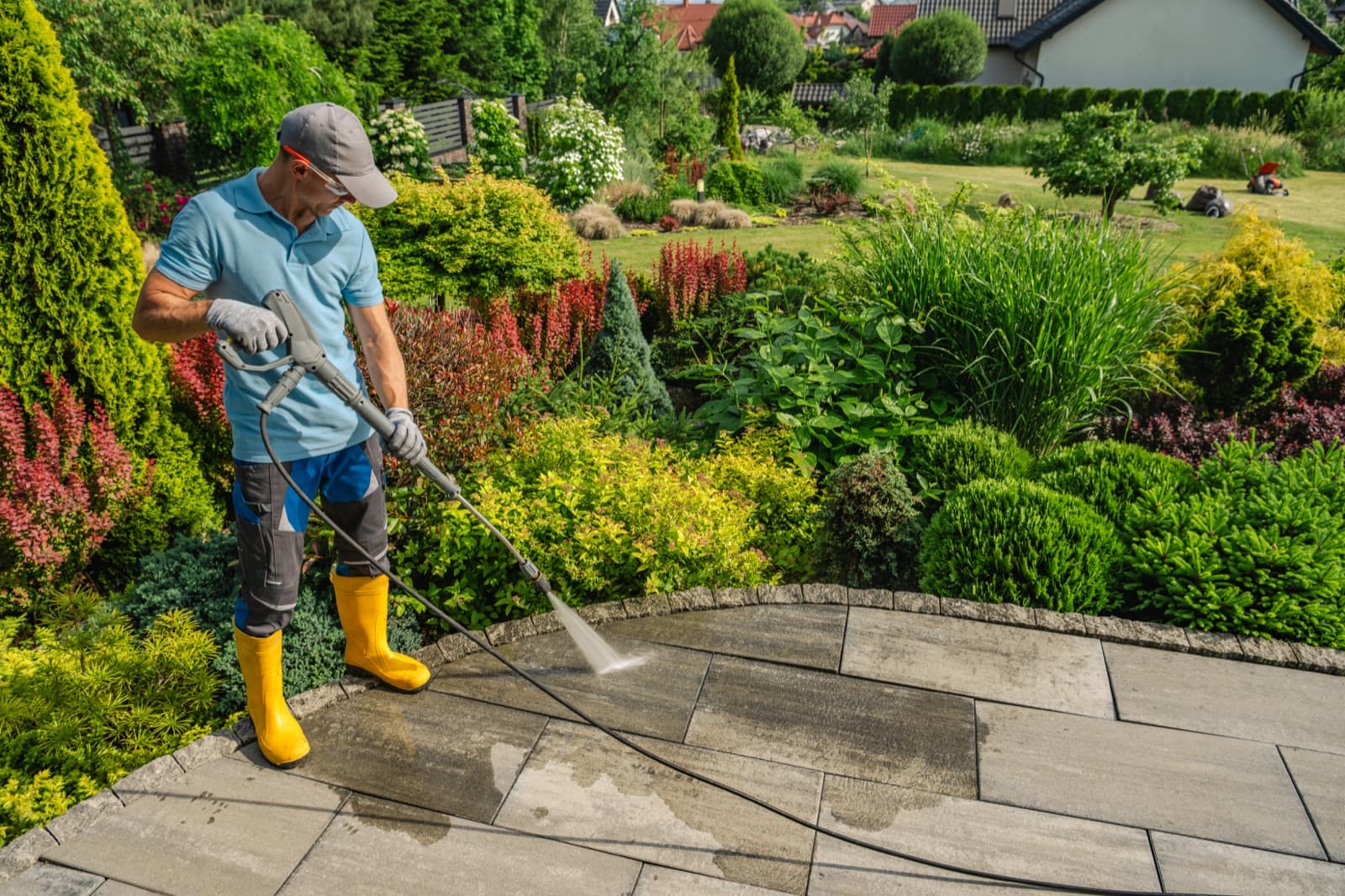
Algae, moss and green growth on patios and footpaths: when does it become dangerous?
Read more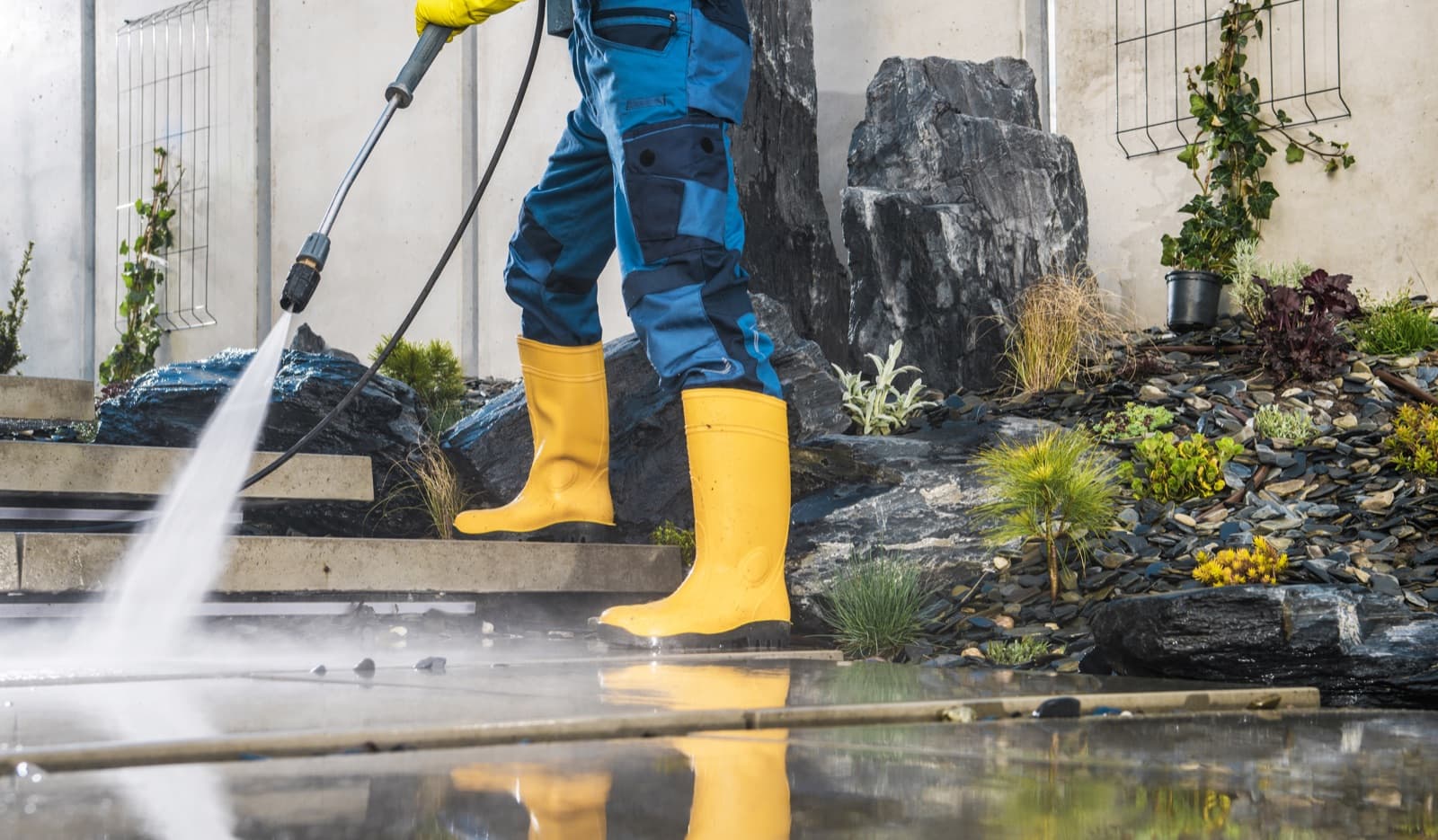
Patio cleaning: which method suits which surface?
Read more
Spielplatzkontrolle in Wohnanlagen: Pflichten, Intervalle, Dokumentation
Read more
Treppenhaus als Fluchtweg: Was darf dort stehen — und was nicht?
Read more
Müll im Mehrfamilienhaus: Was Fehlwürfe wirklich kosten
Read more
The clearing and gritting duty in Hesse — what owners and landlords need to know
Read moreLet us talk about your property.
Tell us what you need — we usually reply within one working day with a quote, free and without obligation.
- 1


Send an enquiry
Through the contact form, by phone, WhatsApp or email — whichever suits you best.
- 2
Arrange a visit
We get back to you promptly and, where useful, arrange a visit on site that fits your schedule.
- 3


Receive a free quote
You get a transparent quote with no obligation — no hidden costs, no small print.
- 4


You decide
No pressure and no lengthy commitment: take your time to decide whether it is a good fit.