
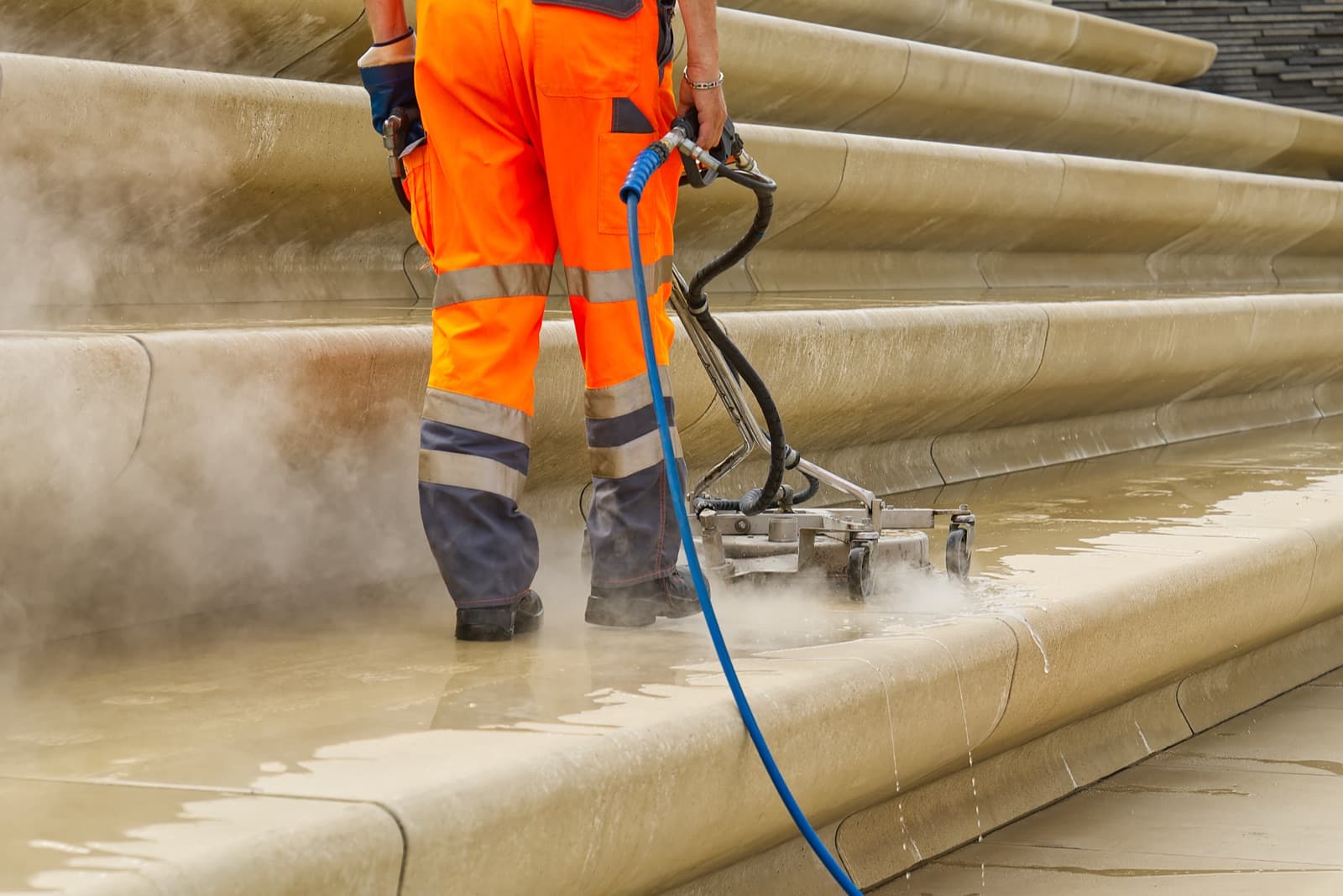
Cleaning paving and natural stone: high pressure, steam or by hand?
Not every cleaning method that works on concrete is also suitable for natural stone or jointed paving — used wrongly, a pressure washer soon does more damage than it puts right. An overview of the common methods and when each one is the right choice.
Why the choice of method decides the outcome
Surfaces such as interlocking concrete block paving, natural stone (sandstone or granite, for example) and jointing material each react differently to pressure, heat and chemicals. Water pressure that is too high from too short a distance can wash out the jointing sand, roughen the surface of soft natural stone or damage an existing seal — with the result that dirt and algae then take hold again even faster.
The three common methods compared
- High-pressure cleaning: fast and effective on robust concrete paving, but only with the pressure adjusted (well below the maximum pressure of standard machines) and enough distance from the surface.
- Steam cleaning: gentler, working with heat instead of high pressure — well suited to more delicate natural stone surfaces and to heavily used areas such as entrances.
- Cleaning by hand with brush and cleaning agent: more time-consuming, but the gentlest method for historic or particularly delicate natural stone, as well as immediately next to planting and lawns.
On a patio the surface itself further decides which of these methods is an option at all: wood and WPC react differently to pressure and heat than concrete slabs do. The comparison by material is set out in Patio cleaning: which method suits which surface?.
You can estimate what the clean will cost with our price calculator in 30 seconds, with no obligation.Calculate now →Typical mistakes that cause damage
- Holding the lance too close to the surface (rule of thumb: at least 20–30 cm, depending on the machine and the surface)
- Cleaning jointing sand at too high a pressure, without re-filling the joints afterwards
- Using aggressive cleaning agents on lime-bearing natural stone (which can cause irreversible etching or staining)
- Cleaning in full sun, which makes cleaning agents dry too quickly and leave streaks behind
After cleaning: sealing as protection
A professional clean lasts considerably longer if the surface is sealed or impregnated afterwards — that makes it harder for algae, moss and dirt to take hold again, and so also reduces the cleaning effort needed the following year. Why some surfaces turn green again so quickly in the first place is covered in our article Algae, moss and dirt on paving and façades — causes and prevention.
Practical tip
Where the surface material is unclear (for example on older existing properties with no building documentation), it is worth doing a test clean on an inconspicuous spot beforehand — that avoids surprises across the whole area.
How Zamsa helps
Before every job we first check the material and the degree of soiling, and only then decide on the method. We mostly work with hot-water high pressure: the heat penetrates moss and algae more deeply than cold water, so the pressure can be kept lower and the joints and the stone surface are treated gently. Delicate spots and the transitions to beds and lawns are finished off by hand. What is included is set out on our page on stone cleaning.
Not legal or tax advice
This article gives a general overview and is no substitute for individual legal or tax advice. Laws, deadlines and responsibilities can change and may differ in an individual case. For a binding assessment of your particular situation, please consult a solicitor or tax adviser, or the relevant authority.
You might also find this useful.
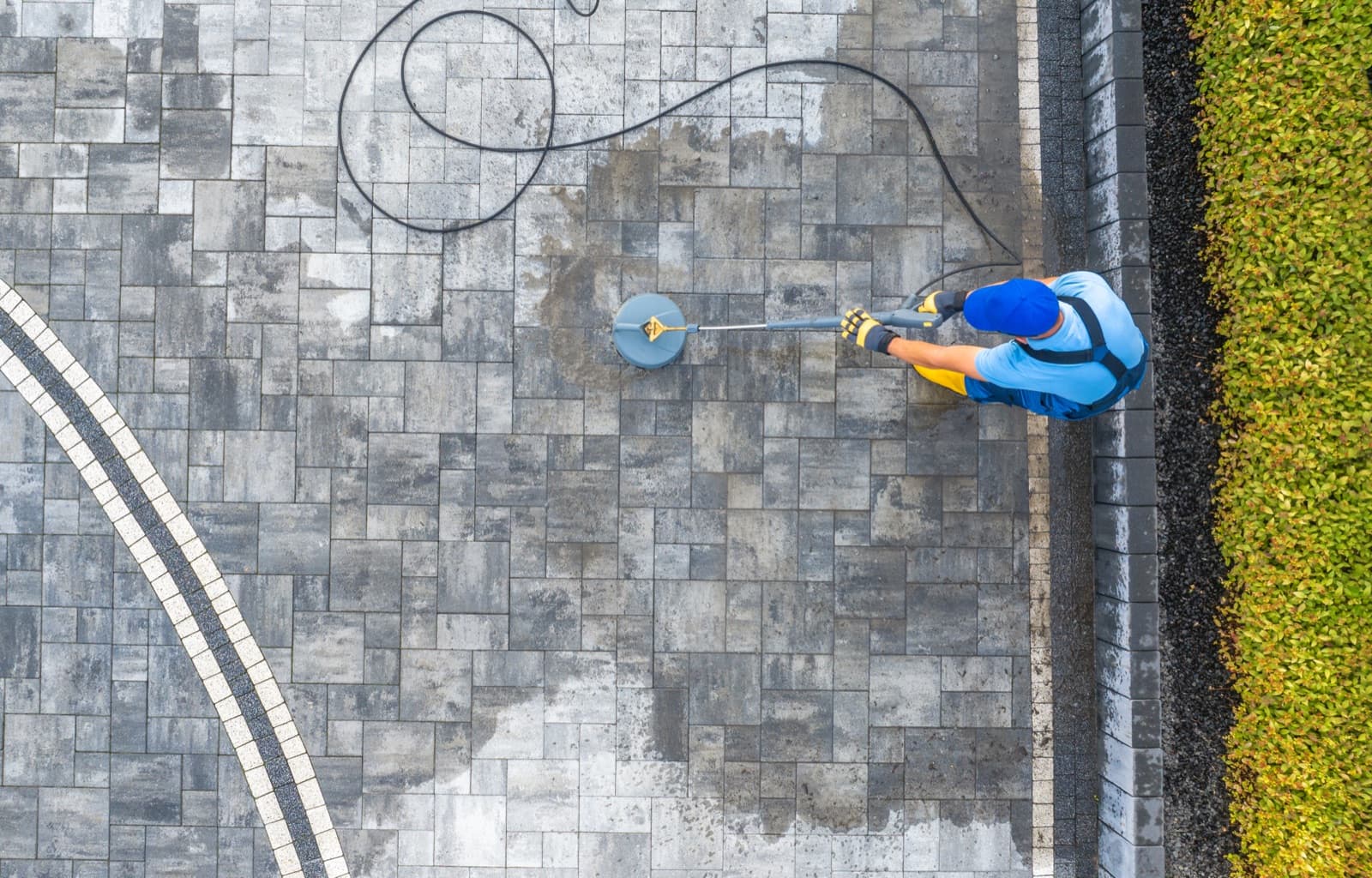
Stone cleaning: when is it needed, and what does it cost?
Read more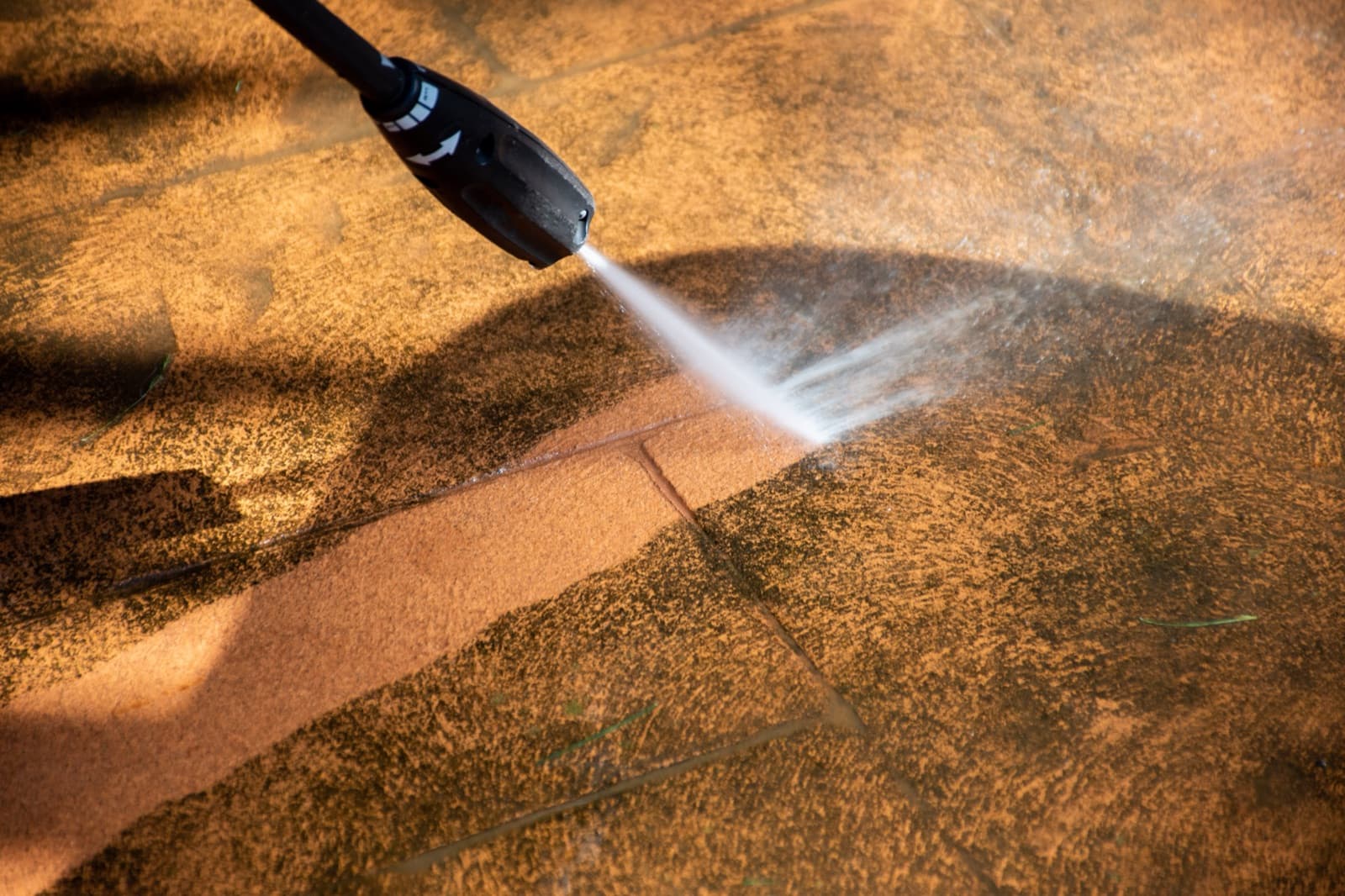
Algae, moss and dirt on paving and façades — causes and prevention
Read more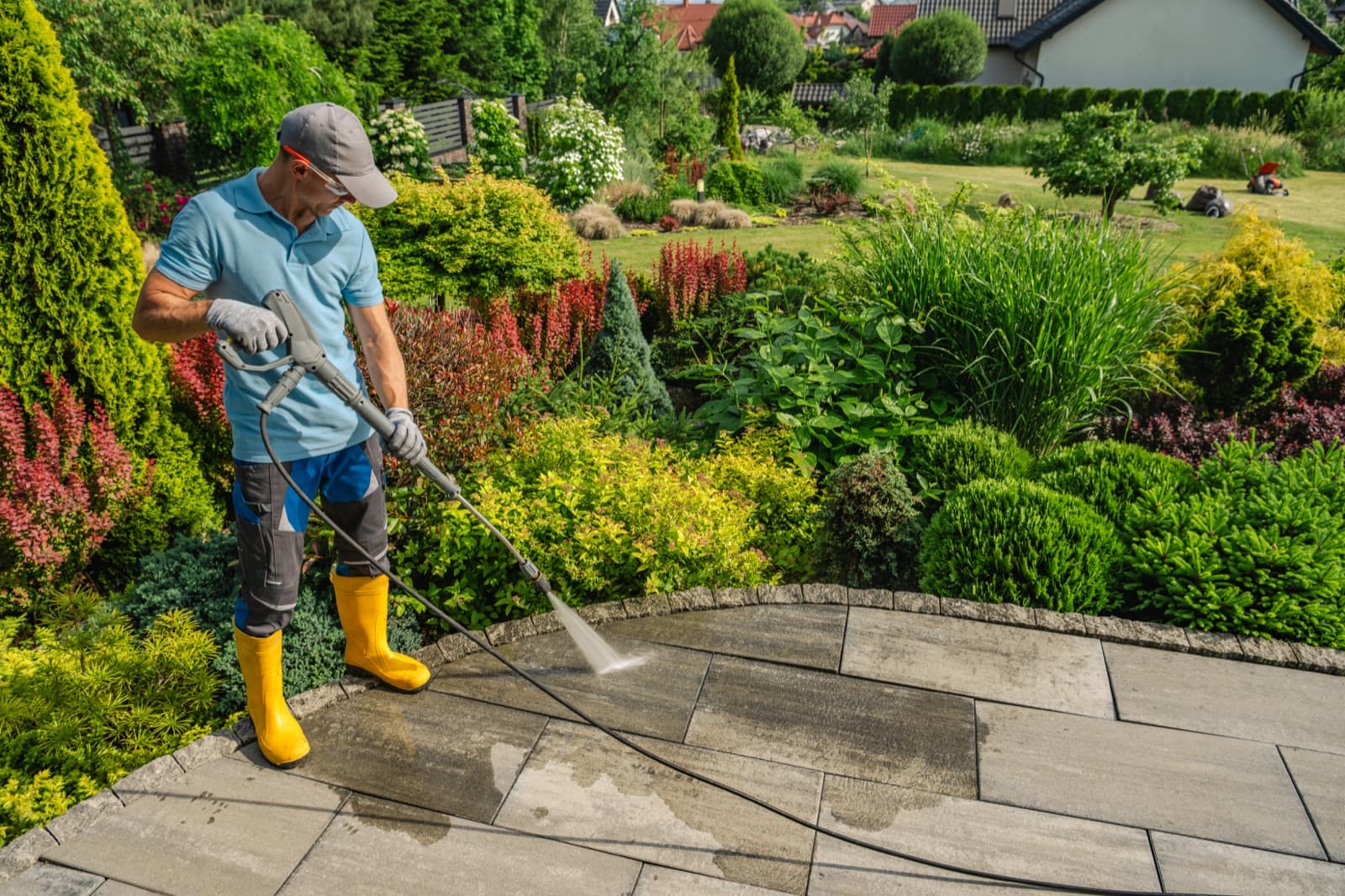
Algae, moss and green growth on patios and footpaths: when does it become dangerous?
Read more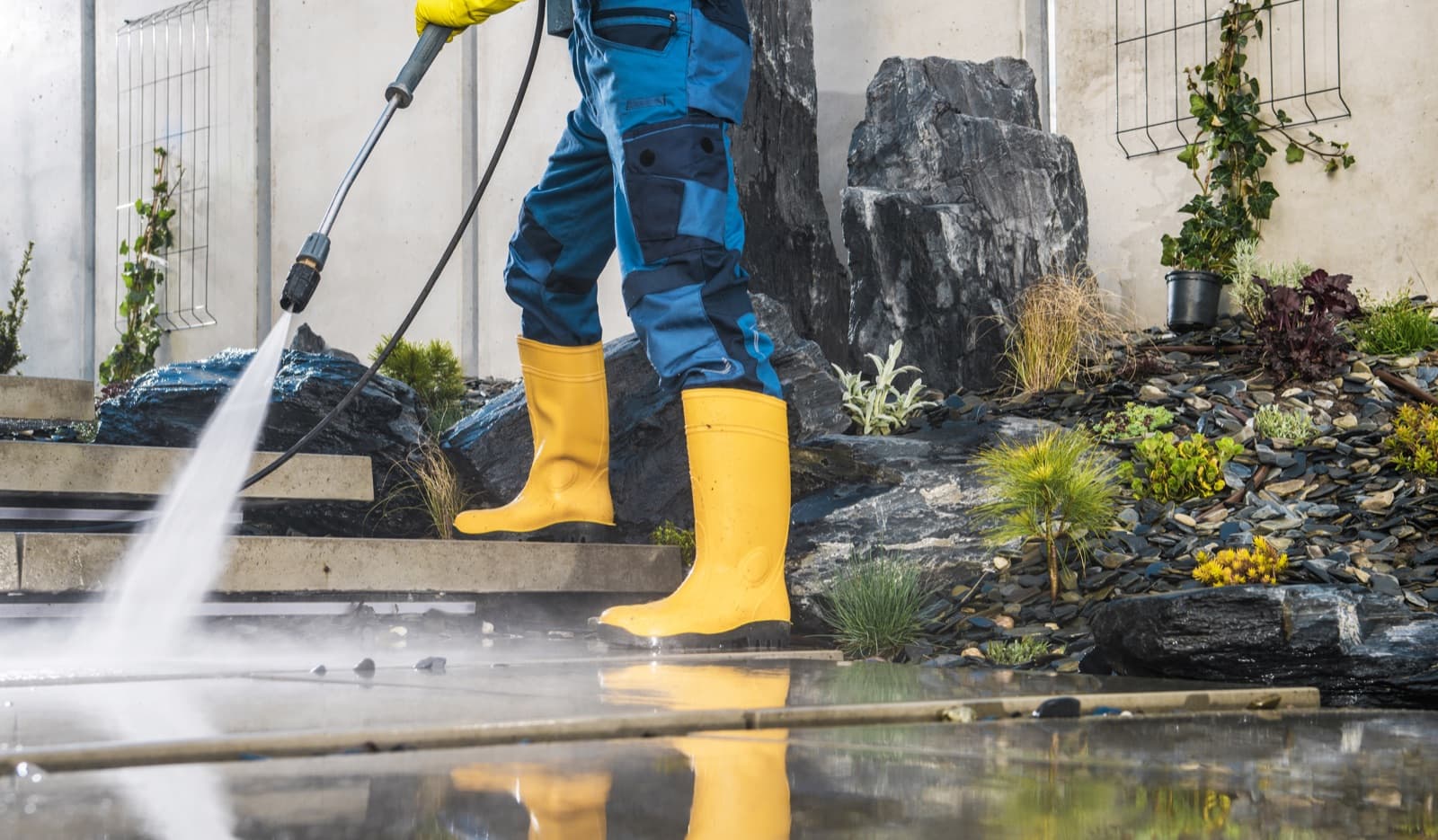
Patio cleaning: which method suits which surface?
Read more
Spielplatzkontrolle in Wohnanlagen: Pflichten, Intervalle, Dokumentation
Read more
Treppenhaus als Fluchtweg: Was darf dort stehen — und was nicht?
Read more
Müll im Mehrfamilienhaus: Was Fehlwürfe wirklich kosten
Read more
The clearing and gritting duty in Hesse — what owners and landlords need to know
Read moreLet us talk about your property.
Tell us what you need — we usually reply within one working day with a quote, free and without obligation.
- 1


Send an enquiry
Through the contact form, by phone, WhatsApp or email — whichever suits you best.
- 2


Arrange a visit
We get back to you promptly and, where useful, arrange a visit on site that fits your schedule.
- 3


Receive a free quote
You get a transparent quote with no obligation — no hidden costs, no small print.
- 4


You decide
No pressure and no lengthy commitment: take your time to decide whether it is a good fit.